🇪🇸 El Hierro — Family Travel Guide
Country: Spain (Canary Islands)
Last Updated: May 2026
Overview
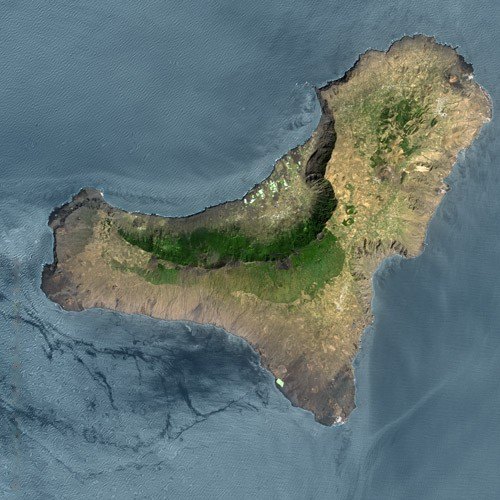
El Hierro is the Canary Island for families who do not need big resorts, water parks or constant entertainment. It is small, volcanic, quiet and beautifully raw: black-lava coves, natural pools, wind-bent juniper trees, huge Atlantic viewpoints and villages where lunch still matters more than schedules. For children who like swimming, short walks, lizards, boats and dramatic landscapes, it can feel like a proper island adventure.
This is not the easiest Canary Island. Flights are usually via Tenerife North or Gran Canaria, roads are steep and winding, and the sea can be serious. But that is also the point. El Hierro rewards slower families: stay three or four nights, rent a car, keep plans flexible around wind and swell, and treat every day as one strong outing plus a swim or long lunch.
Why families love it:
- Natural lava pools such as Charco Azul and La Maceta make swimming feel wild but manageable
- Short scenic drives connect viewpoints, forests, swimming coves and tiny harbours
- The giant lizard centre and Guinea ecomuseum add a rare kid-friendly learning stop
- La Restinga gives easy harbour meals, snorkelling bases and a gentle end-of-the-road feel
- It is calm, uncrowded and much less commercial than Tenerife, Gran Canaria or Lanzarote
- Older children get a real geography lesson: volcanoes, trade winds, cloud forest and Atlantic power in one small island
⏰ Best Time to Visit with Kids
| Season | Conditions | Verdict |
|---|---|---|
| Mar–Jun | Mild, green hills, quieter roads | ⭐ Best all-round for exploring |
| Jul–Aug | Warm, busier Canarian holiday season | ✅ Good, but book cars/ferries early |
| Sep–Nov | Warm sea, calmer feel after summer | ⭐ Excellent for swimming |
| Dec–Feb | Mild but wind/swell can affect pools | ✅ Good for hiking; flexible swim plans |
Pro tip: Do not plan El Hierro like a beach resort. Check wind and swell each morning, then choose the safest coast for swimming. If the Atlantic looks angry, switch to viewpoints, forest, the lizard centre or a long lunch.
🚗 Getting Around
Car rental is essential. Buses exist but are too limited for family exploring. Roads are well maintained but steep, twisty and slow: a route that looks close on the map may involve mountain switchbacks. Keep drives short, bring snacks and avoid packing too many stops into one day.
Airport and ferries: El Hierro Airport (VDE) has inter-island flights, usually via Tenerife North (TFN) or Gran Canaria. Ferries arrive at Puerto de la Estaca from Tenerife. For most families, flying is simpler unless El Hierro is part of a wider Canary Islands trip.
Best bases: Frontera/El Golfo is practical for natural pools and the north coast. Valverde is convenient for airport/ferry logistics but less holiday-feeling. La Restinga is tiny and lovely for diving, snorkelling and harbour evenings, but remote from some island sights.
🌊 Natural Pools & Safe-ish Swimming
1. Charco Azul ⭐
Charco Azul is the island’s most famous lava pool: a blue Atlantic basin tucked under black volcanic rock on the El Golfo coast. The setting is spectacular, with steps and platforms giving access when conditions are calm. Children love the drama of swimming in a natural rock bowl rather than a normal beach.
- Age suitability: Confident swimmers; younger children need very close supervision
- Cost: Free
- Time needed: 1–2 hours
- Location: El Golfo coast near Los Llanillos
- Honest note: Never enter if waves are washing over the pool or locals are staying out. There are steps but this is still the Atlantic.
- Pro tip: Go in the morning, combine with La Maceta or Frontera lunch, and bring water shoes for slippery rock.
2. La Maceta Natural Pools ⭐
La Maceta is usually the easier family choice: a set of sea pools with parking, platforms and more space to settle. It is still volcanic and exposed, but the layout is more forgiving than some wilder coves.
- Age suitability: All ages with supervision; best for children who can handle uneven surfaces
- Cost: Free
- Time needed: 1.5–3 hours
- Location: North coast, near Frontera
- Pro tip: Bring a picnic if conditions are calm. If the pools look rough, use the stop for photos and move on.
3. Tacorón Swimming Cove
Tacorón sits on the warmer south-west coast and can be one of the island’s best swimming spots when the north is windy. The water is clear, the lava coast is dramatic and the drive itself feels like an adventure through volcanic country.
- Age suitability: Confident swimmers; close supervision for under-8s
- Cost: Free
- Time needed: 1–2 hours
- Honest note: Access and sea state matter. This is not a sandy beach day with lifeguards.
🦎 Wildlife, Lava & Island Stories
4. Ecomuseo de Guinea & Lagartario ⭐
This is the most useful rainy-day or education stop on El Hierro. The open-air ecomuseum explains traditional island houses and lava-tube landscapes, while the Lagartario protects the giant El Hierro lizard, a species that gives children a concrete conservation story rather than abstract nature talk.
- Age suitability: Best 5–14
- Cost: Paid entry
- Time needed: 1.5–2.5 hours
- Location: Near Frontera
- Pro tip: Pair it with La Maceta or Charco Azul so the day mixes learning and swimming.
5. Garoé Sacred Tree Visitor Centre
The Garoé story is one of El Hierro’s best kid hooks: an ancient sacred tree said to have collected mist-water for the island’s first inhabitants. The modern visitor centre gives context for water, cloud forest and survival on a dry volcanic island.
- Age suitability: Best 7+
- Time needed: 45–90 minutes
- Honest note: This is a small, quiet stop, not a big museum. It works best if you tell the story before arriving.
🌋 Viewpoints, Forests & End-of-the-World Drives
6. Mirador de La Peña ⭐
Designed by César Manrique, Mirador de La Peña is both viewpoint and restaurant, looking across the enormous El Golfo amphitheatre. It is one of those rare stops that works for everyone: grandparents get the view, parents get coffee or lunch, kids get space to point at cliffs and villages far below.
- Age suitability: All ages
- Cost: Viewpoint free; restaurant paid
- Time needed: 30 minutes–2 hours with lunch
- Pro tip: Book lunch if you want the full experience. Even if you do not eat, stop for the view.
7. El Sabinar
El Sabinar is the island’s signature landscape: ancient juniper trees twisted sideways by relentless trade winds. It is weird, photogenic and memorable for children because the trees look like they are crawling along the ground.
- Age suitability: Best 5+
- Cost: Free
- Time needed: 30–60 minutes
- Honest note: The drive is remote and exposed. Bring layers; it can feel much cooler than the coast.
8. Faro de Orchilla & the Western Edge
Faro de Orchilla sits near the old “end of the world” longitude marker, on a stark lava coast at the island’s western tip. It is not a playground; it is a mood. Older kids often love the sense of standing on the edge of the map.
- Age suitability: Best 7+
- Time needed: 45–90 minutes
- Pro tip: Combine with El Sabinar and the Santuario de Nuestra Señora de los Reyes for a slow western loop.
9. Roque de la Bonanza
This sea stack on the east coast is a quick photo stop, but a good one: a volcanic finger of rock rising from clear water. It is useful on airport/ferry days or while driving between Valverde and the south.
🐠 La Restinga & the South Coast
10. La Restinga Harbour
La Restinga is the southern end of the island and the main diving/snorkelling base. Even if your children are too young for diving, the harbour is a pleasant place for seafood, ice cream, watching boats and using the south coast when the north is rough.
- Age suitability: All ages
- Time needed: Half day to full day with swimming/boat activity
- Pro tip: Book snorkelling or boat activities only with operators who are realistic about sea conditions. If they say it is not a good day, believe them.
11. Playa del Verodal
A striking red-sand beach backed by cliffs on the wild west coast. It is beautiful but often dangerous for swimming, so treat it mainly as a scenery stop unless conditions are clearly safe.
- Honest note: This is not a casual family swim beach. Big waves and currents are common.
🍽️ Food Experiences
El Hierro food is simple in the best way: fresh fish in La Restinga, grilled meats inland, goat cheese, papas arrugadas with mojo, local wine and tropical fruit. Restaurants can keep island hours, close between services, or shut certain days outside peak season, so always check before driving across the island for one meal.
Best family food areas:
- La Restinga: fish, rice dishes and post-swim harbour meals
- Frontera / Tigaday: practical base meals near the natural pools
- Valverde: useful around airport/ferry logistics and rainy days
- Mirador de La Peña: the scenic splurge; more about the setting than speed
Family picks to research/book: Restaurante Mirador de La Peña for the view, Casa Goyo for rustic island cooking, La Tafeña in Valverde, and Joapira or El Refugio in La Restinga for fish after swimming.
🌊 Sample Family Itinerary
Day 1 — Arrival + Frontera base
Arrive, collect the car, drive gently to Frontera or El Golfo, stock up on snacks and do an easy sunset stop at La Maceta if the sea is calm.
Day 2 — Natural pools + lizards
Morning at La Maceta or Charco Azul, lunch in Frontera, then Ecomuseo de Guinea and the Lagartario. Keep the evening quiet.
Day 3 — Western loop
Drive to El Sabinar, Santuario de Nuestra Señora de los Reyes and Faro de Orchilla. Add Playa del Verodal as a view stop, not a swim promise.
Day 4 — La Restinga or viewpoints
If conditions are good, head to La Restinga and Tacorón for swimming/snorkelling. If weather is unsettled, do Mirador de La Peña, Garoé and Valverde instead.
💡 Practical Tips for Families
- Respect the ocean. Natural pools are only safe when the sea is calm. Watch locals, check swell and never turn your back on waves.
- Pack water shoes. Lava rock is sharp and slippery.
- Book the rental car early. Island supply is limited, especially in school holidays.
- Expect winding roads. Children prone to car sickness may need breaks.
- Keep food flexible. A restaurant that looked perfect online may close seasonally or for a private event.
- Bring layers. Coast, forest and viewpoints can feel like different climates in the same morning.
- Do fewer things. El Hierro is better with one main adventure per day than with a checklist.
📋 Quick Reference: Activities at a Glance
| Activity | Best Ages | Time | Notes |
|---|---|---|---|
| Charco Azul | 6+ | 1–2h | Stunning, only in calm seas |
| La Maceta | All ages | 1.5–3h | Easiest natural-pool base |
| Ecomuseo de Guinea & Lagartario | 5–14 | 1.5–2.5h | Best education stop |
| Mirador de La Peña | All ages | 30m–2h | View + lunch option |
| El Sabinar | 5+ | 30–60m | Wind-bent junipers |
| Faro de Orchilla | 7+ | 45–90m | Remote western edge |
| Tacorón | 6+ | 1–2h | South-coast swimming cove |
| La Restinga | All ages | Half day | Harbour, fish, snorkelling |
| Garoé Visitor Centre | 7+ | 45–90m | Water and island history |
| Playa del Verodal | 7+ | 30–60m | View stop; cautious swimming |
✈️ Getting to El Hierro
El Hierro’s airport (VDE) is served by inter-island flights, most commonly via Tenerife North (TFN) and sometimes Gran Canaria. From mainland Europe, families usually fly to Tenerife, overnight or transfer across the island if needed, then connect onward. Ferries from Tenerife to Puerto de la Estaca are possible and useful if you are travelling with a car, but flying is usually simpler with children.
Best family plan: Treat El Hierro as a three- to five-night add-on to Tenerife or Gran Canaria, not a quick day trip. The island’s magic is in slowing down.