🇸🇪 Gothenburg — Family Travel Guide
Country: Sweden Last Updated: February 2026
Overview
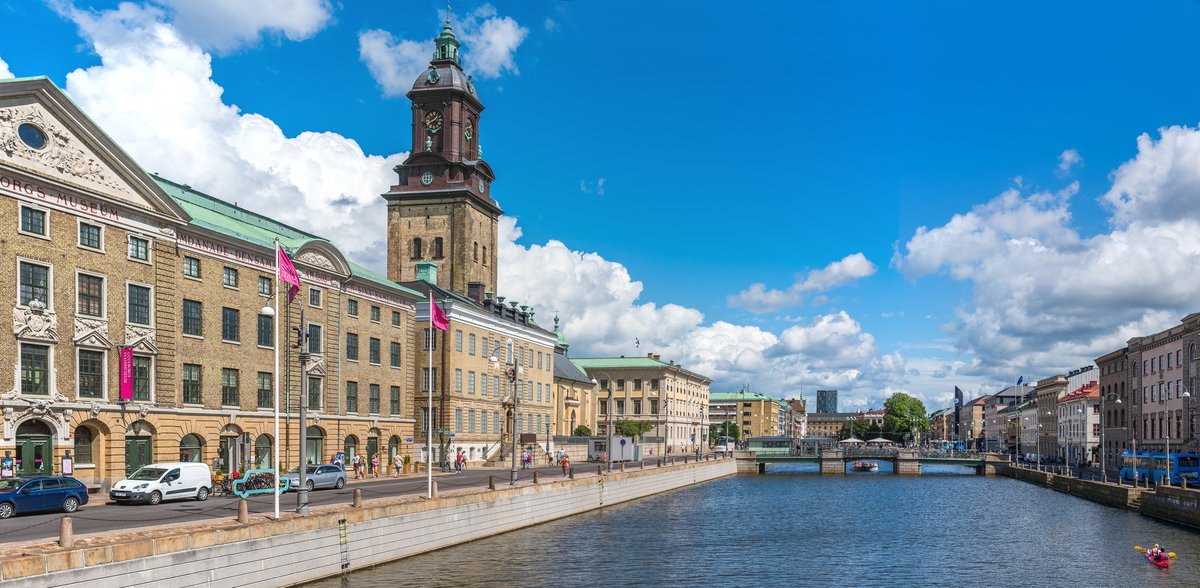
Gothenburg (Göteborg) is Sweden’s second-largest city and one of Scandinavia’s best-kept secrets for families. Perched on the west coast where the Göta River meets the sea, it’s a city that doesn’t take itself too seriously — warm, walkable, genuinely charming, and absolutely loaded with things to do with kids. Between Europe’s most beloved amusement park, a world-class rainforest science museum, a free zoo in a city park, boat trips to 17th-century sea fortresses, and the best seafood culture in Sweden, Gothenburg punches well above its weight for family travel.
The city is famously easier to love than Stockholm — less touristy, more laid-back, and with a coastal Scandinavian character that’s entirely its own. Locals are friendly, English is universally spoken, and everything from trams to museums is designed with families in mind.
Why families love it:
- Home to Liseberg, one of Europe’s top-ranked amusement parks — 3 seasons of operation (summer, Halloween, Christmas)
- Universeum science centre rivals any in Europe: rainforest + sharks + space, all under one roof
- Free zoo in Slottsskogen park with Nordic wildlife (penguins, moose, seals)
- Stunning archipelago accessible directly by public boat/ferry
- Extraordinarily safe, compact and walkable city
- Fika culture — kids grow up on cinnamon buns and you should too
⏰ Best Time to Visit with Kids
| Season | Conditions | Verdict |
|---|---|---|
| Jun–Aug | 20–25°C, long daylight hours, archipelago swimmable | ⭐ Best for outdoor/beach families |
| Late Oct–early Nov | Cool 8–12°C, Liseberg Halloween in full swing | ⭐ Excellent for Halloween lovers |
| Mid-Nov–Jan | Cold, dark, Liseberg Christmas market sparkles | ✅ Magical but bundle up |
| Apr–May | 10–18°C, fewer crowds, Liseberg spring opening | ✅ Good — gardens beautiful, archipelago cold |
| Feb–Mar | 2–7°C, some indoor attractions quieter | 🔴 Off-season — works for budget travellers |
White nights bonus: From late May to late July, it never fully gets dark. Kids staying up to 10pm with full daylight is a genuinely fun experience for them (and stressful for parents trying to get them to sleep — blackout blinds are your friend).
🚗 Getting Around
Tram, Bus & Ferry (Västtrafik — Highly Recommended) Gothenburg’s public transport is excellent and the tram system is a delight for kids. The network covers the entire city and connects to archipelago ferries.
- Single ticket:
37 SEK per adult (€3.20); free for children under 7 with a paying adult - 24-hour ticket: Available via Västtrafik app (To Go) — good value for busy days
- 72-hour ticket: Best for multi-day family visitors — unlimited trams, buses and ferries
- Tip: Buy via the Västtrafik To Go app; buying on board is more expensive. Children 7–19 travel at a reduced fare.
- Website: vasttrafik.se
Car Rental Not essential within the city (trams are better), but very useful for day trips to Marstrand, Smögen and the Bohuslän coast. Budget ~€50–80/day for a family car. Central Gothenburg has paid parking; outlying areas are easier.
Pad on foot Central Gothenburg — Liseberg, Universeum, Avenyn, Haga, Linné — is very walkable. A stroller is fine on most paths; cobblestones in Haga can be bumpy.
Airport
- Gothenburg Landvetter (GOT) — main international airport, 25km east. Bus to city centre (~35 min, ~115 SEK adult). Taxi ~400–500 SEK.
- Gothenburg City Airport (GSE) — smaller, used by some budget carriers, closer to centre.
🎢 Theme Parks & Major Attractions
1. Liseberg Amusement Park ⭐⭐⭐⭐⭐
There’s no other amusement park in Scandinavia like Liseberg, and arguably none in Europe with the same combination of beautiful landscaping, world-class coasters, and genuine family friendliness. Founded in 1923, the park sits just 10 minutes from the city centre, set in lush gardens with flowers, fountains and year-round festivals. Helix, the multi-launch coaster, is regularly voted one of the best in the world. Balder, a wooden coaster, has topped global rankings for airtime. But Liseberg is equally brilliant for young kids — Kaninlandet (Rabbit Land) is a dedicated children’s area with gentle rides, themed play zones, and the park’s bunny mascot.
Three distinct seasons make Liseberg uniquely replayable:
-
Summer (late April–mid-September): Full park with all rides
-
Halloween (late September–early November): Haunted houses, scare zones, family Halloween activities
-
Christmas (mid-November–January): One of Scandinavia’s most beloved Christmas markets
-
Rating: 4.7/5 on TripAdvisor (21,000+ reviews)
-
Age suitability: All ages; Kaninlandet for under-10s, thrill rides from ~120cm+
-
Cost: Admission from ~125 SEK (online). Add-on ride passes ~300–450 SEK (unlimited). Annual Gold Pass SEK 2,595. Kaninlandet-only ticket SEK 245 (admission + rides). Book online for best price.
-
Time needed: Full day (6–8 hours); half day possible for young kids focused on Kaninlandet
-
Open: Seasonal — check liseberg.se for exact dates each year
-
⚠️ Honest note: Popular rides like Helix and Balder have significant queues on summer weekends. Food inside is expensive and average in quality. Height minimums (typically 110–140cm) mean some children will be frustrated watching older siblings on the big rides. Worth pre-booking online — significantly cheaper than gate prices.
-
Pro tip: Arrive at opening time (typically 11am or noon in summer). Hit Helix and Balder first while queues are short. Buy a picnic lunch to eat in the park gardens — outside food is generally permitted. The Christmas market is genuinely wonderful even without the rides.
-
Website: liseberg.se
2. Universeum — National Science Discovery Centre ⭐⭐⭐⭐⭐
Sweden’s largest science museum is one of those rare attractions that genuinely earns the word “unmissable.” Seven floors of interactive experiences span a living tropical rainforest (with free-roaming birds, reptiles and waterfalls), Sweden’s largest shark tank, an aquarium with touch pools, a fully interactive space zone, a chemistry lab, a dedicated toddler zone (Labbis), and the recently opened Wisdome — Scandinavia’s largest 3D visualization dome. Kids sprint between floors; adults can barely keep up.
The rainforest alone is worth the entry — walking through a genuine tropical environment complete with humidity, parrots, iguanas and cascading water is genuinely breathtaking in the middle of a Scandinavian city. The shark tunnel (walk-through glass tunnel surrounded by sharks and rays) is an unforgettable moment for any child.
- Rating: 4.5/5 TripAdvisor; consistently rated one of Sweden’s top family attractions
- Age suitability: Toddler (Labbis zone) through teens; a full day works for all ages
- Cost: Adults
200 SEK (€18); Children160 SEK (€14); Under 3 free. Family packages available. Annual passes also available. - Time needed: 4–6 hours (full day is possible)
- Location: Södra Vägen 50 — steps from Liseberg, easily combined in a 2-day Södra plan
- Open: Daily 10am–6pm approximately; check universeum.se for current schedule
- ⚠️ Honest note: Can get very busy on school holiday weekdays. The rainforest is warm and humid — not ideal for those sensitive to heat. Some older kids may cruise through exhibits quickly if not actively engaged; build in time for the dome shows.
- Pro tip: Book the Wisdome film in advance (limited seats); it’s included in entry but needs a timed slot. Combine with a visit to Slottsskogen zoo (free, 15 min walk) for a great full day.
- Website: universeum.se
🏛️ Museums & Learning
3. Gothenburg Museum of Natural History (Naturhistoriska) — The Blue Whale ⭐⭐⭐⭐
One of the most genuinely unique museum experiences in Europe: a beautifully Victorian natural history museum home to the world’s only mounted blue whale. Not a replica — the real thing. The “Malmska Valen” was found dead off the coast in 1865 and was famously mounted with a café inside its belly (the café has since been removed, but the whale is still there in all its staggering 16-metre glory). Walking beneath it — and understanding its real scale — is a moment children genuinely don’t forget.
The broader museum is a classic Victorian natural history collection: over 10 million specimens, dramatic dioramas, Nordic wildlife, African elephants, and birds from every continent. It feels like stepping into the 19th century, and that’s entirely the point.
The museum sits at the edge of Slottsskogen park, which means you can combine it with the free zoo (penguins feeding at 2pm!), the Plikta adventure playground (which has a giant blue whale climbing frame as a nod to the museum), and a picnic — an exceptional free half-day for families.
- Rating: 4.3/5 Google; Atlas Obscura favourite
- Age suitability: All ages; best for 4+
- Cost: Adults ~60 SEK; under 25 FREE (yes, completely free for children, students and under-25s — bring ID)
- Time needed: 1.5–3 hours
- Location: Slottsskogen park, Linné area
- Open: Tue–Sun approximately 10am–5pm; closed Mondays
- ⚠️ Honest note: The Victorian style means some exhibits feel dated; no hands-on interactivity. The building is old and not fully accessible for pushchairs on all floors. Dioramas include taxidermied animals which some small children find unsettling.
- Pro tip: Arrive at 1:45pm to walk the 5 minutes to Slottsskogen zoo for the 2pm seal feeding and 2:30pm penguin feeding. Combine with Plikta playground (free) for a perfect low-budget afternoon.
- Website: gnm.se
4. Slottsskogen Park & Free Zoo ⭐⭐⭐⭐
Gothenburg’s largest urban park is a genuine gem — 137 hectares of forest, lakes, playgrounds and the oldest zoo in Sweden, all completely free to enter. The zoo focuses on Nordic wildlife: moose (elk), fallow deer, red deer, seals, farm animals and — the undisputed stars — Humboldt penguins, who have their own pool and waddle about in full view.
The daily feeding sessions are the highlight: seals at 2pm, penguins at 2:30pm — these draw a crowd and are genuinely joyful. The Plikta playground at the north end of the park is one of Gothenburg’s best, with the whale climbing frame a particular favourite.
- Rating: 4.6/5 Google for the park; consistently beloved by families
- Age suitability: All ages
- Cost: FREE (entire park and zoo)
- Time needed: 2–4 hours
- Location: Linné district, easily reached by tram
- ⚠️ Honest note: Some visitors (correctly) note that enclosures for seals and penguins could be larger. This is a city zoo, not a safari park. Most animals are in naturalistic but modestly sized spaces.
- Pro tip: Pack a picnic, arrive by 1:30pm, catch both feeding sessions, then play at Plikta. In summer there’s also a paddling pool for toddlers. The park is gorgeous for a morning run or evening stroll while kids sleep.
5. Världskulturmuseet (Museum of World Culture) ⭐⭐⭐⭐
Gothenburg’s most underrated museum — a world cultures collection with a dedicated children’s exhibition that has been called the best of its kind in Sweden by multiple family travel writers. The “Tillsammans” (Together) exhibition uses over 1,000 original artefacts to invite children to explore what it means to be human, across caves, mountains and rainbow-themed zones mixing touch, play and learning.
- Rating: 4.4/5 Google
- Age suitability: All ages; best designed for children 2–10
- Cost: FREE admission (donations welcome)
- Time needed: 2–3 hours
- Location: Södra Vägen, near Universeum and Liseberg
- Open: Tue–Sun; closed Mondays
- ⚠️ Honest note: Note that strollers must be left at the cloakroom (bring a lock — museum has a couple to borrow). The café has high chairs, microwave, and is very family-welcoming.
- Pro tip: Combine with Universeum across the road for a mega culture day. World Culture Museum is the ideal morning warm-up before Universeum’s sensory overload.
6. Maritime Museum & Aquarium (Sjöfartsmuseet Akvariet) ⭐⭐⭐⭐
A maritime museum with a difference — the ground floor is a genuine aquarium with tanks representing different marine environments. Upper floors have ship models, paintings, a ship simulator, and a well-designed children’s gallery with hands-on activities plus a playroom for the youngest. Gothenburg is a major port city; understanding the sea is core to its identity.
- Rating: 4.2/5 Google
- Age suitability: All ages; children’s gallery for 3+
- Cost: Adults ~40 SEK; Under 25 FREE (same pass covers 4 other Gothenburg museums including Stadsmuseum and Naturhistoriska — extraordinary value)
- Time needed: 1.5–2.5 hours
- Open: Tue–Sun; closed Mondays
- Location: Karl Johansgatan 1–3, Stigberget
- ⚠️ Honest note: The museum is modest in size compared to major European maritime museums. The 40 SEK adult pass gets you an annual pass valid at multiple museums — a significant deal.
- Pro tip: The museum pass combo is one of the best value deals in Gothenburg. Adults pay once, get a year-long pass across multiple museums.
🌊 Outdoor & Nature
7. Boat Trip to New Älvsborg Fortress ⭐⭐⭐⭐
A 45-minute boat ride across Gothenburg’s harbour delivers you to a dramatic 17th-century sea fortress built on its own small island to defend the city. The fortress guided tours are excellent and genuinely exciting for kids — dungeons, cannon placements, stories of sieges and Swedish naval history. The boat journey itself passes through an active working harbour, with huge cargo ships and naval vessels as backdrop.
Operated by Strömma from Lilla Bommen pier. Guided in English and Swedish.
- Rating: 4.4/5 TripAdvisor
- Age suitability: Best for 5+
- Cost (2025): Adults ~250 SEK; Children 6–15 ~125 SEK; Under 6 free. Includes boat + fortress entry + guided tour.
- Season: Summer season (typically June–August); check stromma.com for exact dates
- Departure times: 10:30, 12:30, 14:00 from Lilla Bommen
- ⚠️ Honest note: Weather dependent — can be choppy. The fortress island is small; plan 2–3 hours total. Not all departure slots include the same tour quality. Best in summer when fully staffed.
- Pro tip: The 10:30am departure is least crowded. Bring light layers — it’s windier on the water than in the city.
- Website: stromma.com
8. Gothenburg Southern Archipelago (Vrångö & Islands) ⭐⭐⭐⭐
Gothenburg has its own archipelago — over 20 inhabited islands accessible directly by public ferry (Västtrafik boats, included in your tram/bus pass). No car needed. The most popular family island is Vrångö — a car-free island with rocky swimming spots, smooth granite slabs to sunbathe on, walking trails through heather and juniper, and a single small café. It’s the quintessential Swedish summer island experience: pack a bag, take a boat, swim off rocks, eat outside.
Journey time from central Gothenburg: ~1 hour by tram + ferry. No need to book.
- Rating: 4.5/5 Google for the archipelago experience generally
- Age suitability: All ages; swimming from 3+ (rocks not sandy, but shallow entry spots exist)
- Cost: Covered by Västtrafik 24/72-hour pass — no extra charge
- Best season: June–August; sea reaches swimming temperature (16–20°C typically)
- ⚠️ Honest note: Rocky coast means beach shoes are useful. No sandy beach. The ferry can be busy on sunny summer weekends — go mid-week or early. Bring all food and water.
- Pro tip: Take tram 11 to Saltholmen, then the archipelago ferry. Pack a proper Swedish picnic: shrimp, crispbread, Västerbotten cheese, lingonberry juice. This is the experience Swedes live for.
🏘️ Neighbourhoods Worth Exploring
9. Haga — The Cinnamon Bun District ⭐⭐⭐⭐
Gothenburg’s most charming neighbourhood: 19th-century wooden houses, cobblestone streets, independent boutiques, and the city’s most famous cinnamon buns. Fika (the Swedish coffee + pastry tradition) is non-negotiable here — Café Husaren is the most iconic, selling what may be the largest cinnamon bun in Sweden (genuinely the size of a small planet). Haga is also the starting point for the walk up to Skansen Kronan, an old fortress with the best panoramic view over Gothenburg — free to enter, 10 minutes’ walk uphill.
- Rating: 4.6/5 Google for the area
- What to do: Fika at Husaren, walk the cobblestones, browse independent shops, hike up to Skansen Kronan viewpoint
- Cost: Cinnamon buns from ~35–55 SEK; viewpoint free
- Time needed: 1.5–2.5 hours
- ⚠️ Honest note: Very touristy — especially on weekends. Haga’s cinnamon buns are legitimately excellent but there’s often a queue. Pushchairs struggle on the cobblestones.
- Pro tip: Go on a weekday morning for shorter queues and a more authentic atmosphere. The walk up to Skansen Kronan (15 min) rewards you with the best city view — kids love seeing the whole city from above.
10. Feskekôrka (Fish Church) ⭐⭐⭐⭐
Gothenburg’s famous indoor fish market is shaped like a Gothic church — hence the nickname “Fish Church” (Feskekôrka in the local dialect). Reopened after renovation in 2024, it now combines traditional fish stalls selling the freshest West Coast seafood with restaurants, bars and event programming. This is the place to try Gothenburg’s signature dish: räkmacka — the open shrimp sandwich, piled high with freshly boiled North Sea prawns, mayonnaise, dill and lemon on white bread.
- Rating: 4.3/5 TripAdvisor
- What to order: Räkmacka (shrimp sandwich) — the definitive Gothenburg food experience
- Cost: Shrimp sandwiches from ~120–180 SEK; fresh fish stall prices are competitive
- Location: Rosenlundskanalen, central Gothenburg
- Open: Mon–Fri 10am–6pm; Sat 10am–4pm; closed Sundays
- ⚠️ Honest note: Pricier than a supermarket, of course — but these are genuinely premium, local fish. The renovation created a more modern feel that divides longtime regulars.
- Pro tip: Buy freshly boiled shrimp from one of the stalls (~120 SEK per bag) and eat them on the canal steps outside — quintessential Gothenburg. Kids who eat shrimp will be in heaven.
🗺️ Day Trips
Day Trip 1: Marstrand — Island Fortress Town (45 min drive)
The pitch: A car-free island with a dramatic 17th-century fortress (Carlsten), bobbing sailboats, brightly painted wooden houses, excellent seafood restaurants, and a short ferry crossing that kids love. Marstrand is one of Sweden’s most picturesque summer destinations and less than an hour from central Gothenburg.
Getting there: Drive ~45km north on the E6, park at Marstrands Färjeläge on Koön, then take the 2-minute passenger ferry to the island. Car traffic is banned on Marstrandsön. Alternatively, take bus 303/304 from Gothenburg (no need to buy a separate ferry ticket with the bus).
On arrival:
-
Walk up to Carlsten Fortress — dramatic ramparts, cannon balls, dungeons and guided tours (check carlsten.se for tour times, summer only). Adult ~130 SEK; Child ~65 SEK.
-
Wander the wooden town and harbourfront
-
Swim off the rocks on the island’s western side in summer
-
Eat shrimp and fish at one of the quayside restaurants
-
Drive from Gothenburg: ~45 minutes
-
Best season: June–August
-
⚠️ Honest note: Very popular in July and August — arrive early (before 10am) to avoid the worst parking queues on Koön. The fortress tours are excellent but only available in summer; out of season it’s more of a pretty walk.
-
Pro tip: Combine the fortress tour with a swim on the rocks, lunch at the harbour, and a second visit to a café. Plan 4–6 hours on the island.
Day Trip 2: Smögen — Fishing Village & Pier (1.5h drive)
The pitch: Smögen is Sweden’s most iconic fishing village — a narrow wooden pier (Smögenbryggan) stretching 800m along the coast, lined with red fish shacks converted into seafood restaurants and shops. Buy freshly boiled shrimp by the bag direct from the boats, eat them on the pier, and watch the sea. It’s a genuinely unique experience that can’t be replicated anywhere else.
The surrounding coast is studded with flat, smooth granite rocks perfect for swimming, picnicking and the Swedish tradition of rock-sitting. Children love the freedom of exploring the rocks and dipping into rock pools.
- Drive from Gothenburg: ~1.5 hours north on the E6
- Best season: Late June–August (packed but magical in peak summer; quieter and still lovely in May/June)
- What to do: Walk the full pier, buy shrimp from the boats, swim off the rocks at Hällens naturreservat nearby, visit the summer market
- Cost: Parking fee; shrimp from the boats ~80–120 SEK per bag
- ⚠️ Honest note: Peak season (July) is extremely busy — parking can be nightmarish and the pier is shoulder to shoulder. Go on a weekday, or aim for a 9am arrival before the crowds.
- Pro tip: Stop at Kungshamn just north for a quieter, equally beautiful harbour experience if Smögen is overwhelming. The coastal scenery driving north on the smaller roads (not E6) is spectacular.
Day Trip 3: Gothenburg Southern Archipelago — Vrångö (1h by transit)
Already described under Outdoor section above, but worth highlighting as a full day trip option. Take the tram to Saltholmen, hop the Västtrafik ferry, spend the day island-hopping or settling in on Vrångö. You can also island-hop: Brännö has a famous summer dance tradition; Styrsö has a small café and excellent swimming.
- Total transit time from centre: ~1 hour each way
- Cost: Covered by Västtrafik day pass
- Best for: Families who love nature, swimming and a proper Swedish outdoor experience
🍽️ Food & Drink for Families
Must-try Gothenburg food experiences:
| Food | Where | Price | Notes |
|---|---|---|---|
| Räkmacka (shrimp sandwich) | Feskekôrka; Heaven 23 | ~120–180 SEK | The definitive Gothenburg dish |
| Giant cinnamon bun | Café Husaren, Haga | ~50–55 SEK | Absurdly large, genuinely delicious |
| Freshly boiled shrimp | Smögen pier boats | ~80–120 SEK/bag | Eat standing on the pier — a rite of passage |
| Fika (coffee + pastry) | Any café, especially Haga | ~50–90 SEK | Teach kids the Swedish art of the mid-morning break |
| Smörgåsbord lunch | Hotel/restaurant buffet | ~200–350 SEK adult | Traditional Swedish cold buffet; great for picky kids |
| Waffles | Skansen Kronan café | ~50 SEK | After the viewpoint walk, views + waffles = perfect |
Family-friendly restaurants:
- Heaven 23 (Gothia Towers): Famous for the King Size shrimp sandwich; great views over Liseberg; pricey but memorable
- Avenyn area: Gothenburg’s main boulevard has numerous family-friendly options from pizza to Swedish classics
- Supermarkets (ICA, Coop): Swedish supermarkets are excellent for self-catering picnics — much better value than eating out at every meal
🏨 Where to Stay
Best family areas:
| Area | Why | Trade-offs |
|---|---|---|
| Liseberg/Korsvägen | Walk to Liseberg + Universeum; great transport links | Busy in summer; some traffic noise |
| Haga/Linné | Charming, walkable, close to Slottsskogen | Slightly further from Liseberg; cobblestones tricky for pushchairs |
| Central (Avenyn/Brunnsparken) | Everything accessible; great shopping | More commercial feel; hotels pricier |
Recommended accommodation options:
- Scandic Crown (near Liseberg): Family rooms, kids’ menus, well-reviewed for families — consistently mentioned as a top pick
- Radisson Blu Scandinavia: Connecting rooms, central, children’s activities
- Apartments (Airbnb/Booking.com): For families of 5 (like the Allis family!), self-catering apartments in Haga or Linné offer better space and value than hotel rooms
Budget note: Gothenburg hotels are expensive by European standards, especially in summer. Self-catering apartments often save significant money and give families cooking facilities.
🎄 Seasonal Highlights
Summer (Jun–Aug): Liseberg fully open, archipelago swimming, Smögen shrimp, long daylight hours. Peak prices but maximum experience.
Midsommar (late June): Sweden’s biggest celebration — dancing around flower maypoles, herring feasts, strawberries and cream. Look for public Midsommar celebrations in Slottsskogen — genuinely magical for children.
Halloween (late Sep–early Nov): Liseberg transforms into one of Europe’s best Halloween parks — scare zones for adults, family Halloween events for children. Themed food, decorations, and the park looks extraordinary at night.
Christmas (mid-Nov–Jan): Liseberg Christmas market is the best in Sweden by most accounts — thousands of lights, gingerbread, glögg (mulled wine), and traditional Swedish Christmas market stalls. Genuinely special for families. Kaninlandet opens with winter rides; ice-skating usually available.
💡 Practical Tips
Language: Swedish, but English is universally spoken. Even attempting a few Swedish words (tack = thanks; hej = hello; förlåt = sorry) is appreciated.
Currency: Swedish Krona (SEK). As of early 2026: 1 EUR ≈ 11 SEK approximately. Sweden is extremely card-friendly — almost no businesses take cash. Keep one card for emergencies.
Costs: Gothenburg is expensive by European standards. Budget ~600–900 SEK per adult per day for food + activities + transport; children’s costs are significantly lower thanks to free/discounted museum entry.
Pushchair/Stroller friendliness: Very high. Trams have level boarding, museums have lifts, most streets are smooth. Haga’s cobblestones are the main exception.
Child-friendly culture: Sweden is exceptionally family-friendly. Breastfeeding booths, double-width changing tables, microwaves for baby food, and thoughtful family spaces are standard in most public buildings.
Safety: Gothenburg is one of Europe’s safest cities for families. Very low crime; children are trusted to play with significant independence by Scandinavian cultural standards.
Rainy days: Gothenburg gets a fair amount of rain year-round (bring waterproofs). On wet days: Universeum (half a day minimum), Maritime Museum + aquarium, Världskulturmuseet, Liseberg indoor attractions, or a long Fika session in Haga are all excellent options.
📋 Sample Itinerary (5 Days)
Day 1: Arrive, Haga (cinnamon bun + Skansen Kronan viewpoint), Feskekôrka for shrimp sandwich dinner, Avenyn evening walk Day 2: Liseberg — full day. Arrive at opening. Kaninlandet for young kids; Helix + Balder for older kids/adults. Evening in the park. Day 3: Universeum (full morning + afternoon). Evening: Slottsskogen park walk + dinner at local restaurant in Linné. Day 4: Day trip to Marstrand — drive 45 min, morning fortress tour, afternoon swimming off rocks, shrimp lunch at quayside. Day 5: Naturhistoriska (blue whale!), Slottsskogen zoo (penguin feeding at 2:30pm), Plikta playground, farewell fika in Haga.
All prices in SEK; approximate EUR conversions based on early 2026 rates (~11 SEK = 1 EUR). Always verify current prices directly with attractions — Scandinavian prices rise reliably year-on-year.