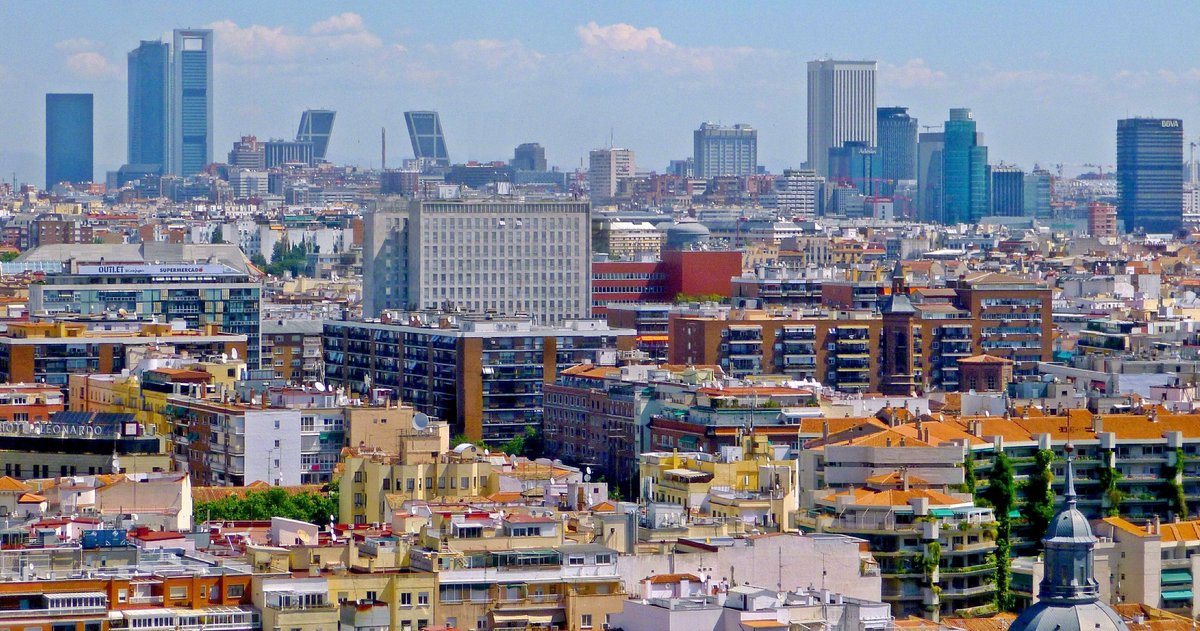
🇪🇸 Madrid — Family Travel Guide
Country: Spain Airport Codes: MAD (Adolfo Suárez Madrid–Barajas International Airport) Last Updated: February 2026
Overview
Madrid is the kind of city that catches families by surprise. Many skip it in favour of Barcelona or Seville, but Spain’s capital is quietly one of Europe’s best family destinations — a grand, walkable city with world-class art museums where kids enter free, enormous parks with rowing boats and playgrounds, a legendary football culture, and a food scene built entirely around sharing small plates that even picky eaters tend to love. It has the energy of a great European capital without the chaos of Barcelona, and at a noticeably lower price point.
Madrid is Europe’s highest capital (657m above sea level), which means its summers are hot-dry rather than Mediterranean-humid, and its winters can be surprisingly cold and occasionally snowy. The city is spread across a high plateau of Castile, and day trips to medieval walled cities, fairytale castles, and Roman aqueducts are under an hour away by train.
Why families love it:
- All three world-famous art museums (Prado, Reina Sofía, Thyssen) are free for under-18s at all times
- Enormous, safe, leafy parks purpose-built for family fun (El Retiro, Madrid Río, Casa de Campo)
- Parque Warner (DC Comics/Warner Bros theme park) is a full-day amusement anchor
- The metro is excellent, clean, fast, and easy to navigate with children
- Madrid’s late-night culture means restaurants are child-friendly and busy well into the evening — no rush
- Day trips to Toledo, Segovia, and Ávila are among the best in Europe for children
⏰ Best Time to Visit with Kids
| Season | Conditions | Verdict |
|---|---|---|
| Mar–May | 12–22°C, parks in bloom, lively streets | ⭐ Excellent — best for sightseeing |
| Jun | 25–30°C, long days, pre-peak crowds | ⭐ Very good — sweet spot |
| Jul–Aug | 35–40°C, extremely hot, busy | 🔴 Challenging — manage heat carefully |
| Sep–Oct | 20–28°C, cooling down, fewer tourists | ⭐ Excellent |
| Nov–Feb | 5–12°C, some rain, occasional snow | ✅ Good for indoor museums — cold outside |
Pro tip: May 15 is San Isidro, Madrid’s patron saint festival — the entire city celebrates with free concerts, traditional chotis dancing, and picnics in the Pradera de San Isidro. An extraordinary thing to witness with children and one of Madrid’s most authentic experiences.
If visiting in July/August, plan outdoor activities for early morning (before 11am) and save museums, indoor attractions, and Parque Warner for midday heat.
✈️ Getting There
From Malta: No direct flights; typically one stop via Rome, Barcelona, or Frankfurt. Flight time ~3–4 hours total. Ryanair, Vueling, and Iberia offer the most connections.
Airport (MAD): Adolfo Suárez Madrid–Barajas is one of Europe’s busiest airports. Terminal 4 (T4) is massive — budget extra time. The airport Metro (Line 8) connects to Nuevos Ministerios in the city centre. Journey: 30 minutes. Cost: regular metro fare + airport supplement (€6 total per adult). Children under 4 travel free on public transport.
Tip: Taxis from the airport are fixed-price (~€33 flat rate to city centre, regardless of traffic). For a family of 4 with luggage, a taxi is often competitive and far less stressful.
🚇 Getting Around
Metro (Highly Recommended) Madrid’s metro is superb — clean, air-conditioned, frequent, and easy to navigate. It connects virtually every major attraction. Use the Tarjeta Multi card (€2.50, reusable) loaded with tickets for your group.
- Tourist Travel Pass: Unlimited travel for 1–7 days on metro, bus, and commuter trains. Prices from ~€10 (1 day) to ~€61 (7 days) for adults. Children under 11 get 50% discount.
- Single ride: ~€1.50–2.00 depending on zone
- Most large stations have lifts; smaller ones do not — if travelling with a buggy, check your route
Bus Slower but covers the full city. Useful for some attractions not on metro lines.
Walking The historic centre (Sol, Mayor, La Latina, Barrio de las Letras, Retiro) is very walkable. Wear comfortable shoes — Madrid’s streets are largely flat but you’ll cover serious distance.
Car Rental Not recommended for the city itself (parking is expensive and difficult). Useful for day trips to Toledo, Segovia, or Ávila if you prefer flexibility over trains.
Taxis & Rideshare Uber, Cabify, and FreeNow all operate. Licensed taxis (white with a diagonal red stripe) are regulated and metered.
🎢 Theme Parks & Major Attractions
1. Parque Warner Madrid
The closest thing Spain has to Disneyland, and Madrid’s biggest single-day family draw. Split into five themed zones — DC Super Heroes World (Batman, Superman), Wild West, Old Hollywood, Warner Bros Studios, and Cartoon Village for younger children. The latter has height-friendly rides, a Looney Tunes area, and the Scooby-Doo dark ride. Older kids go for the Superman rollercoaster (one of Europe’s fastest) and the Batman Experience.
- Rating: 4.0/5 on TripAdvisor — consistently praised for fun, occasionally criticised for maintenance
- Age suitability: Cartoon Village suits ages 3–8; thrill rides suit 8+; genuinely great for mixed-age families
- Cost: Approx. €44–55 per person (online advance pricing varies by season; buy online for best price). Children under 100cm free.
- Time needed: Full day (8–9 hours)
- Location: San Martín de la Vega — 40 km south of Madrid. Drive ~35 minutes or take a direct shuttle bus from Príncipe Pío station.
- Open: April–October (check website for winter openings)
- ⚠️ Honest note: Some rides have reliability issues and closures on the day. Food inside is expensive and average quality. Queues for flagship rides can be 45–60 minutes in summer. Go on a weekday to avoid weekend crowds. Lockers available near ride entrances.
- Pro tip: Buy tickets at least a week in advance online — significant savings vs. gate price. Arrive at opening time to hit the Superman and Batman rides before queues build.
- Website: parquewarner.com
2. Zoo Aquarium Madrid
One of Europe’s largest zoos, home to over 3,000 animals and 500 species, including giant pandas — Spain’s only giant pandas live here. Set inside the vast Casa de Campo park. The aquarium section adds sharks, rays, and tropical fish, and there’s a birds of prey show and dolphin show. A well-rounded full-day animal experience that holds up for all ages.
- Rating: 4.0/5 on TripAdvisor
- Age suitability: All ages — dedicated children’s zoo area, animal shows timed throughout the day
- Cost: Adult ~€29, Child (3–7) ~€24, Under-3 free. Book online for small discount.
- Time needed: Full day (6–8 hours)
- Location: Casa de Campo — accessible by metro (Batán, Line 10) or cable car from Paseo del Pinto Rosales
- Open: Daily year-round, 10:30am–closing varies seasonally
- ⚠️ Honest note: The zoo is large and can feel overwhelming; wear comfortable shoes. Some enclosures are older. Worth combining with the Casa de Campo cable car for kids who aren’t giant panda obsessives.
- Pro tip: The cable car (Teleférico) from Paseo del Pintor Rosales floats over the park and gives spectacular city views — buy return tickets and ride to the zoo rather than walking.
- Website: zoomadrid.com
3. Faunia Nature Park
Something genuinely different: a nature theme park built around recreated ecosystems — a tropical rainforest dome, polar tundra, African savanna, Mediterranean scrub, and a nocturnal creatures zone. Animals are often free-roaming (lemurs, cranes, peacocks, and small deer wander alongside you), and the ecosystems are immersive with correct temperatures and humidity. More educational and atmospheric than a standard zoo, with around 1,200 animals across 170 species.
- Rating: 4.1/5 on TripAdvisor — consistently excellent for young families
- Age suitability: Best for ages 4–14; the nocturnal zone is atmospheric but can unsettle very young children
- Cost: Adult ~€23, Child (3–7) ~€17, Under-3 free. Family combo with Zoo Aquarium available.
- Time needed: 3–5 hours
- Location: Eastern Madrid (Valdebernardo), Metro Line 9 (Valdebernardo station) — 10-minute walk
- Open: Daily year-round, from 10:30am
- ⚠️ Honest note: Smaller than the Zoo Aquarium; better for ages 4–10 than for teens. Some ecosystems have limited English signage.
- Pro tip: Go in the afternoon when morning crowds have thinned. The nocturnal zone (owls, bats, slow lorises) is a highlight not to miss — bring a jacket as it’s kept cool and dark.
- Website: faunia.es
🏛️ Museums (Kids Enter FREE at All Three Big Ones)
4. Museo del Prado
One of the world’s greatest art museums — and all children under 18 enter completely free, always. The Prado houses the world’s finest collection of Spanish painting (Velázquez, Goya, El Greco) plus extraordinary works by Bosch, Rubens, and Titian. The building itself is magnificent. For children, the star is Velázquez’s Las Meninas — a painting about being looked at while looking, which kids instinctively find fascinating. Goya’s dark, nightmarish later works get teenagers’ attention immediately.
- Rating: 4.5/5 — consistently one of Europe’s top-rated museums
- Age suitability: Best for 8+; younger children will tire quickly
- Cost: Adult €15; Under-18: FREE. Free for everyone Mon–Sat 6–8pm, Sun 5–7pm.
- Time needed: 2–3 hours (don’t try to see everything)
- Location: Paseo del Prado — metro Banco de España or Atocha
- ⚠️ Honest note: The museum is enormous. With children, make a plan: pick 3–4 rooms and commit to them rather than wandering. Download the family guide from the website before visiting.
- Pro tip: Visit during free admission hours (Mon–Sat 6pm) to skip the ticket queue entirely. The Children’s Art Guide (available at the desk) turns it into a scavenger hunt.
- Website: museodelprado.es
5. Museo Reina Sofía (Guernica)
Spain’s national museum of 20th-century art, and home to Picasso’s Guernica — the most famous anti-war painting in the world. Standing in front of a 3.5-metre-tall, 7.7-metre-wide depiction of the bombing of a Spanish town is something children remember for decades. Alongside Guernica, the museum holds major works by Dalí (melting clocks, surrealism) and Joan Miró. The building is a converted 18th-century hospital with a striking glass lift tower added by architect Jean Nouvel.
- Rating: 4.5/5
- Age suitability: Best for ages 10+ for deep engagement; younger children are often struck by Guernica’s scale
- Cost: Adult €12; Under-18: FREE. Free Mon and Wed–Sat 7–9pm, Sun 1:30–7pm.
- Time needed: 2 hours
- Location: Near Atocha station — metro Atocha
- ⚠️ Honest note: Crowds in front of Guernica can be intense. Aim for opening time or late-evening free sessions.
- Pro tip: The rooftop café has spectacular views and is uncrowded — worth a visit even if you keep the museum visit brief.
- Website: museoreinasofia.es
6. Robot Museum (The Dreamland Project)
Europe’s largest robot collection, relocated in April 2025 to a spectacular new home inside a themed “spaceship” environment. Over 500 robots from the past, present, and future — from 1950s sci-fi robots to cutting-edge AI machines. Live demonstrations, interactive sessions where kids can control robots, and a gift shop with build-your-own robot kits. The immersive spaceship setting makes the technology feel like adventure.
- Rating: 4.2/5
- Age suitability: Best for ages 6–14; irresistible for kids who love science, technology, or science fiction
- Cost: Adult ~€15, Child ~€10. Book online.
- Time needed: 2–3 hours
- Location: Alcorcón (southwest Madrid, accessible by metro)
- ⚠️ Honest note: The new location is slightly outside the city centre. Worth the trip for tech-curious kids; less compelling if your children aren’t into that world.
- Website: robotmuseum.es
7. Museo Nacional de Ciencias Naturales (Natural Sciences Museum)
One of Spain’s oldest institutions, with over 11 million specimens including dinosaur fossils, a massive diplodocus skeleton, taxidermied animals from across the globe (including one of the world’s best thylacine/Tasmanian tiger specimens), and interactive exhibits on evolution and Earth’s history. Genuinely excellent for dinosaur-obsessed children.
- Rating: 4.1/5
- Age suitability: All ages; particularly strong for ages 6–14
- Cost: Adult ~€6, Child (4–14) ~€3. Free on Sundays from 5pm.
- Time needed: 2–3 hours
- Location: Alonso Martínez area — metro Gregorio Marañón or Alonso Martínez
- Pro tip: The temporary exhibitions often feature hands-on elements specifically designed for families.
- Website: mncn.csic.es
8. Museo del Ferrocarril (Railway Museum)
A hidden gem for train-loving children (and adults). Set inside a spectacular 19th-century train station (Estación de Delicias), the museum holds over 30 historic locomotives and carriages, including royal train carriages that look like rolling palaces. Kids can climb aboard many of the trains, and there’s a working model railway layout.
- Rating: 4.3/5 — consistently loved by families
- Age suitability: All ages; particularly strong for ages 5–12
- Cost: Adult ~€6, Child ~€3, Under-4 free
- Time needed: 2–3 hours
- Location: Paseo de las Delicias — metro Delicias
- ⚠️ Honest note: Closed Mondays. Arrive early on weekends.
- Website: museodelferrocarril.org
🏟️ Football (Madrid Unique)
9. Tour Bernabéu — Real Madrid Stadium
The newly renovated Santiago Bernabéu is now one of the world’s most futuristic football stadiums — a retractable roof, a cylindrical exterior of LED panels that light up at night, and a museum stuffed with every Champions League trophy Real Madrid has ever won (the most in the world: 15 and counting). The behind-the-scenes tour takes you through the dressing rooms, the tunnel, the pitch-side, and the presidential box. For football-loving children, it’s a pilgrimage.
- Rating: 4.4/5 on TripAdvisor
- Age suitability: All ages — particularly strong for football fans aged 6+
- Cost: From €35 online (€38 at box office). Children under 5 free. A premium “Field Experience” also available.
- Time needed: 2–3 hours
- Location: Chamartín — metro Santiago Bernabéu (Line 10)
- ⚠️ Honest note: It is expensive. Non-football fans will find it dry. The gift shop prices are eye-watering — set a budget before you go in.
- Pro tip: Book online well in advance, especially on weekends. The tour is self-guided with an app and audio guide included.
- Website: realmadrid.com
🌿 Parks & Outdoor Adventures
10. Parque del Retiro
Madrid’s iconic central park — 125 hectares of shaded avenues, formal gardens, a rose garden, puppet theatre, street performers, and a large ornamental lake where you can hire rowing boats. On weekends, the park transforms into a community festival: musicians, jugglers, portrait artists, and the Saturday/Sunday puppet shows (Títeres) are free. The Crystal Palace (Palacio de Cristal) — a stunning Victorian iron-and-glass greenhouse — hosts free art installations year-round. A UNESCO World Heritage Site since 2021.
- Rating: 4.7/5
- Age suitability: All ages
- Cost: Free entry. Rowing boats: ~€6 for 45 minutes (up to 4 people per boat)
- Time needed: Half to full day
- Location: Central Madrid — metro Retiro or Príncipe de Vergara
- Pro tip: The puppet theatre (Títeres del Retiro) runs free shows on Saturday and Sunday at noon — check the Madrid tourism website for schedule. Arrive 15 minutes early for a good spot.
11. Madrid Río Park
A 6km linear park along the Manzanares River, built over a motorway that was put underground. Features 17 playgrounds, giant slides built into a hillside, bike paths, outdoor pools (summer), and beach areas by the river. The Puente de Toledo bridge is stunning. The Madrid Río slides (on the hill near the Arganzuela footbridge) are genuinely thrilling — free, open-air, and enormous fun for children of all sizes.
- Rating: 4.5/5
- Age suitability: All ages; the slides delight ages 4–14
- Cost: Free
- Time needed: 2–4 hours
- Location: Along the Manzanares River, west side — metro Pirámides or Puerta del Ángel
- Pro tip: Combine with the nearby Matadero Madrid arts centre (a converted abattoir with free exhibits and a fantastic café).
12. Casa de Campo
Madrid’s largest park — 1,700 hectares of former royal hunting forest, bigger than Central Park and Hyde Park combined. Contains the Zoo Aquarium, the Parque de Atracciones (amusement park), boating lake, cycling paths, and forest walking trails. The cable car (Teleférico) from Paseo del Pintor Rosales offers spectacular aerial views across the park to the Royal Palace.
- Age suitability: All ages — something for every age group
- Cost: Park free; individual attractions priced separately. Cable car: Adult ~€6, Child ~€5 return
- Location: West of the city centre — metro Lago or Batán
🍽️ Food: What to Eat & Where
The Essential Madrid Food Experiences
Churros con Chocolate (non-negotiable) Madrid’s most famous food ritual: crispy, doughnut-like churros or the thicker porras dipped in cups of thick, almost pudding-like hot chocolate. Best at breakfast or as an afternoon snack. Kids go absolutely wild for it.
- Chocolatería San Ginés (Pasadizo de San Ginés, near Puerta del Sol) — open since 1894, the most famous churros spot in Spain. Open 24 hours. Long queues are normal; worth it.
- Budget ~€5–8 per person for a full churros-and-chocolate order.
Bocadillo de Calamares (Madrid Signature Sandwich) A Madrid original: a crusty baguette stuffed with rings of fried squid. Simple, cheap (~€3–4), and absolutely delicious. Available at dozens of bars around Plaza Mayor.
Mercado de San Miguel A beautiful 1916 iron-framed market near Plaza Mayor filled with tapas, oysters, cured ham, pintxos (Basque small bites), wine, and artisan food stalls. Best for browsing and grazing rather than a sit-down meal. Open late. Kids love the variety and the energy.
Cocido Madrileño Madrid’s traditional slow-cooked chickpea stew served in three courses. A Sunday family tradition across the city. Filling, deeply flavourful, very kid-friendly.
Tapas Culture Order multiple small dishes and share — tortilla española (potato omelette), patatas bravas (fried potatoes with spicy sauce), jamón ibérico (cured ham), croquetas, pan con tomate. Most bars serve tapas all day and into the evening.
Family-Friendly Restaurant Tips
- Most restaurants have kids’ menus (menú infantil) for €5–8
- Madrid eats late — restaurants fill up around 2:30pm for lunch and 9:30pm for dinner. Many tourist-area restaurants open earlier.
- The menú del día (set lunch menu: starter + main + dessert + drink) offers extraordinary value at €12–16 per adult at lunchtime. Kids can usually share or order from the kids’ menu.
- La Latina neighbourhood is packed with excellent tapas bars and is very family-friendly in atmosphere.
📅 Local Festivals & Events
| Festival | Date | What It Is |
|---|---|---|
| Fiesta de San Isidro | ~15 May (week-long) | Madrid’s patron saint festival — free concerts, chotis dancing, traditional dress, picnics at Pradera de San Isidro. The city’s most authentic celebration. |
| Veranos de la Villa | July–August | Free outdoor cinema, concerts, and theatre across the city’s parks and cultural spaces |
| Madrid Carnival | February/March | Colourful parades and fancy dress events including family-friendly children’s parade (Desfile de Piñata) |
| Navidad (Christmas) | December | Plaza Mayor Christmas market, ice rink at Plaza de España, elaborate nativity scenes across churches, spectacular New Year’s Eve countdown at Puerta del Sol |
| El Rastro | Every Sunday year-round | Madrid’s famous open-air flea market in La Latina neighbourhood — over 3,500 stalls. A fascinating spectacle for children. |
🚗 Day Trips
Day Trip 1: Toledo — “The City of Three Cultures” ⭐ Best for Kids
Distance: 75 km south — 30 minutes by high-speed train (Renfe from Atocha), 45–60 minutes by car
A walled medieval city perched on a granite hill, encircled by the Tagus River. Toledo was the co-existing capital of Christian, Muslim, and Jewish civilizations for centuries, and the results are extraordinary: a Gothic cathedral the size of a football field, a mosque turned church, a 10th-century synagogue, and a maze of medieval streets that feel genuinely unchanged. The Alcázar fortress at the city’s peak gives panoramic views. Children love the maze-like streets (it’s impossible to get lost if you keep heading uphill), the Toledo steel sword shops (yes, you can buy replica swords), and the marzipan — Toledo’s famous sweet made with almonds and honey, sold in the shape of everything from fish to castles.
- Train: Renfe high-speed from Madrid Atocha Cercanías to Toledo. ~€15 return per adult. 30 minutes each way. Book in advance on renfe.com.
- Best for: Ages 6+ for the history; all ages for the atmosphere and sword shops
- Time needed: Full day (leave by 9am, return by 7pm)
- Don’t miss: The view from the Parador (hilltop hotel) across the river to the city — one of Spain’s most photographed panoramas. Walk down to the riverbank on the return journey.
- ⚠️ Note: Toledo is hilly — wear good shoes and bring a carrier for toddlers.
Day Trip 2: Segovia — Roman Aqueduct & Fairytale Castle
Distance: 90 km northwest — 30 minutes by bus from Moncloa station (~€12 return), 1 hour by car
Segovia has two things no other city can offer: Europe’s best-preserved Roman aqueduct (2,000 years old, no mortar — just 24,000 granite blocks held together by gravity alone) and the Alcázar of Segovia, the fairytale castle that directly inspired Walt Disney’s Cinderella Castle. Walking under the aqueduct’s 29-metre-high arches with children is a jaw-dropping experience. The Alcázar’s towers and ramparts are genuinely exciting to explore, with panoramic views from the tower. Also try Segovia’s legendary cochinillo asado (roast suckling pig) — restaurants carve it with a ceramic plate to show how tender it is.
- Bus: AVANZA from Moncloa (Madrid) to Segovia bus station. ~25–30 minutes. Very affordable.
- Best for: All ages — the aqueduct scale impresses even toddlers
- Time needed: Full day or half day
- Don’t miss: Climb the Alcázar tower (small extra cost) for 360-degree views across the Castilian meseta.
- Alcázar entry: Adult ~€9, Children ~€5, Under-6 free
Day Trip 3: Ávila — World’s Most Complete Medieval Walls
Distance: 110 km west — 1.5 hours by car or 1.5 hours by Renfe train (€10 return)
Ávila has the most complete set of medieval defensive walls in the world — 2.5 km of ramparts up to 12 metres high, with 88 towers and 9 gates, all intact from the 11th century. Children can walk the full circuit on top of the walls with views across the Castilian plain. The city is also famous for yemas de Ávila (intensely sweet egg yolk sweets sold in the shape of the city walls). Less visited than Toledo or Segovia — you’ll feel less like a tourist and more like a genuine explorer.
- Best for: Ages 5+ for wall walking; all ages for the visual impact
- Wall entry: Adult ~€5, Child ~€3.50
- Time needed: Half day to full day
💰 Budget Guide (Family of 4)
| Category | Budget | Mid-Range | Splurge |
|---|---|---|---|
| Accommodation (per night) | €80–120 (apart-hotel) | €150–220 (3-star hotel) | €280+ (4-star central) |
| Food (per day) | €40–60 (market + menú del día) | €80–120 (restaurants + treats) | €150+ (fine dining mix) |
| Transport (per day) | €10–15 (tourist metro pass) | €15–25 | €30+ (Uber everywhere) |
| Attractions (per day) | €30–50 (museums free, one paid) | €80–120 | €150+ (Bernabéu + Warner) |
Money-saving tips:
- All three major art museums are free for under-18s — always. This alone saves €30–45 per museum visit for a family of 4 with children.
- Visit museums during free adult admission hours (evenings)
- The menú del día is the best food value in Europe — 3 courses including drink for ~€13–16 per adult at lunchtime
- The Madrid Tourist Travel Pass pays for itself quickly if you’re using the metro more than twice a day
- Day trips by train are very affordable (Toledo return: ~€30 for a family of 4)
🏨 Where to Stay
For families, prioritise:
- Proximity to a metro station (doesn’t need to be city centre)
- Room or apart-hotel with kitchen (useful for breakfast and children’s snacks)
- Air conditioning (essential June–September)
Recommended neighbourhoods:
- Salamanca / Retiro: Safe, upscale, near the Retiro park — ideal for families with younger children
- Sol / Gran Vía: Central, walkable to everything — noisy at night but very convenient
- Chamberí / Alonso Martínez: Local neighbourhood feel, great restaurants, good metro links — often better value than dead centre
Apartment/apart-hotel options are often better value for families of 4+ than hotel rooms. Look on Booking.com or Airbnb for 2-bedroom apartments with kitchenettes.
✅ Practical Tips
- Language: English is less widely spoken than you might expect. Learn basic Spanish phrases — locals genuinely appreciate the effort. Google Translate camera mode is very useful for menus.
- Siesta: Many smaller shops close 2–5pm. Major tourist attractions and restaurants operate all day.
- Late nights: Spanish family culture means children out at 10pm are completely normal. You won’t get judged for a late dinner with kids.
- Toilets: Very few public toilets. Use café and museum toilets whenever you see them. Never turn down an opportunity.
- Pushchairs: The metro has lifts in larger stations but not all stations. The city centre is flat and walkable — consider a lightweight foldable pushchair or carrier for younger children.
- Pickpockets: Madrid has a pickpocketing problem in tourist areas (Sol, Gran Vía, the Metro). Use zipped bags, keep phones in front pockets, and be alert in crowds. The city is otherwise very safe.
- Sunday El Rastro: Madrid’s legendary Sunday flea market in La Latina is unmissable — but also a prime pickpocket location. Leave valuables in the hotel.
- Heat (summer): Carry water at all times. Pharmacies sell electrolyte sachets. Museums are aggressively air-conditioned — bring a light layer.
🗺️ Sample 4-Day Itinerary
Day 1 — Parks, History & Churros
- Morning: El Rastro flea market (Sundays only) or explore Puerta del Sol and Plaza Mayor
- Midday: Churros at San Ginés followed by a wander through the medieval streets of La Latina
- Afternoon: Parque del Retiro — rowing boat on the lake, puppet show (weekends), Crystal Palace
- Evening: Tapas dinner in La Latina neighbourhood (~7–8pm)
Day 2 — Museums & Football
- Morning: Museo del Prado (2 hours — focus on Velázquez and Goya)
- Lunch: Mercado de San Miguel for tapas grazing
- Afternoon: Bernabéu Stadium Tour (football fans) or Museo Reina Sofía / Guernica (art fans)
- Evening: Wander Gran Vía, kids’ gelato at one of the many heladerías
Day 3 — Day Trip to Toledo
- Full day in Toledo by train (see Day Trips above)
- Return by early evening; street food or simple dinner near the hotel
Day 4 — Parque Warner or Zoo
- Full day at Parque Warner Madrid (theme park) or Zoo Aquarium + Faunia
- Evening: Final Madrid dinner, buy any remaining souvenirs
⚠️ Honest Downsides
- Summer heat is brutal — 38–40°C days in July/August are genuinely difficult with children. Not a beach holiday; plan accordingly.
- Late Spanish schedule clashes with children’s rhythms — most restaurants don’t fill for lunch until 2:30pm and dinner until 9:30pm. Tourist areas cater to earlier eaters, but the best local restaurants require adjustment.
- Parque Warner can disappoint if rides are closed for maintenance — happens more than it should for the price point.
- Metro station lifts: Not universal — check before you travel with a buggy.
- Crowds at the Prado and Bernabéu can be significant on weekends; always book in advance.
- English menus aren’t universal — outside tourist hotspots, Spanish-only menus are common. Have a translation app ready.
Sources: esmadrid.com, tripadvisor.com, travelynnfamily.com, walkandeatspain.com, reddit.com/r/GoingToSpain, earthtrekkers.com, realmadrid.com, metromadrid.es