🇮🇹 Palermo, Sicily — Family Travel Guide
Country: Italy (Sicily) Last Updated: March 2026
Overview
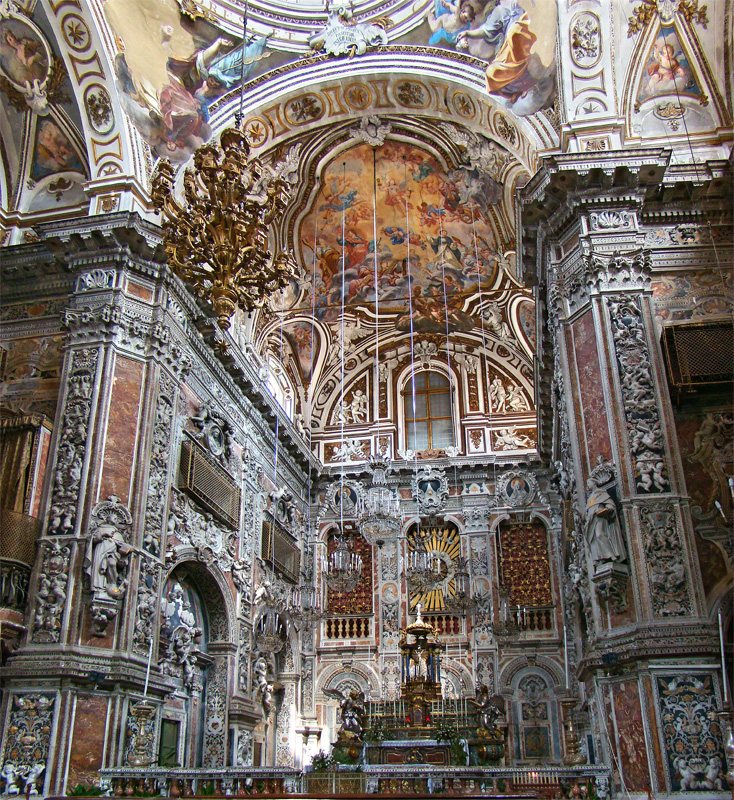
Palermo is one of Europe’s most dramatically layered cities — the most conquered city in history, with Arab, Norman, Byzantine, Greek, Roman, Spanish, and Baroque influences literally stacked on top of each other in the architecture, food, and culture. For families, this translates into a city of genuine wonder: golden mosaic churches that leave children speechless, ancient puppet theatres with UNESCO-listed storytelling, labyrinthine street markets full of sizzling street food, and one of the world’s most bizarre attractions — a catacomb full of 8,000 mummies.
Palermo is raw, loud, beautiful, and chaotic. It’s not a manicured tourist city. Roads are anarchic, some areas are gritty, and navigating takes effort. But the rewards are extraordinary — this is a place that gets under your skin and into the imagination of children in a way that polished European capitals can’t match.
Why families love it:
- Extraordinary history accessible at every turn — and genuinely weird and memorable
- Opera dei Pupi (traditional puppet shows) — UNESCO-listed, absolutely enchanting for kids
- Street food culture that children universally love (arancine, cannoli, panelle)
- Mondello Beach — a stunning crescent of sand just 15 minutes from the city centre
- Easy day trips to Monreale (world-class mosaics), Cefalù (beach + medieval town), and Segesta (Greek ruins in silence)
- Italians are extraordinarily welcoming to children — expect strangers to admire your kids
⏰ Best Time to Visit with Kids
| Season | Conditions | Verdict |
|---|---|---|
| Apr–Jun | 20–28°C, sea warming from June, lower crowds | ⭐ Best for families |
| Jul–Aug | 35°C+, packed Mondello, peak prices | 🔴 Very hot — plan indoor breaks; sea is glorious |
| Sep–Oct | 26–30°C, sea warm, crowds thin noticeably | ⭐ Excellent |
| Nov–Mar | 13–18°C, mild, most attractions open, some rain | ✅ Great for sightseeing; Christmas is magical |
Pro tip: Christmas in Palermo is genuinely special — lights, presepi (nativity scenes), Christmas markets, and festive locals fill the streets in the evenings. January can be warm enough to go beach-adjacent.
Avoid: Palermo in August if heat-sensitive. City centre temperatures regularly hit 38°C, and Mondello Beach becomes impossibly crowded.
🚗 Getting Around
Walking (Best for City Centre) The historic centre is compact and best explored on foot. Via Vittorio Emanuele (the Cassaro) runs straight through the heart of the city. Most major sights — Palazzo dei Normanni, Cathedral, Quattro Canti, Ballarò market — are within a 20-minute walk of each other. Be prepared for uneven paving and occasional chaos.
Car Rental (Essential for Day Trips) A hire car is strongly recommended for families doing day trips (Monreale, Cefalù, Segesta). Driving in Palermo city itself is genuinely harrowing — narrow medieval streets, aggressive local drivers, scooters everywhere, and confusing ZTL restricted zones. Hire a car but park at your hotel and walk/taxi in the city.
⚠️ Important: Palermo has ZTL (Zona Traffico Limitato) restricted zones in the historical centre. Driving in without a permit earns an automatic fine, often sent months later to rental companies who pass it to you. Check ZTL boundaries before driving. Download the Palermobilità app for real-time restrictions.
City Buses (AMAT) AMAT buses cover the city. Tickets ~€1.40 from tabacchi (newsagents), valid 90 minutes. Useful for getting to Mondello Beach (Bus 806 from Piazza Sturzo). Not always reliable on frequency.
Taxis & Apps FreeNow and iTaxi apps work in Palermo. Standard metered taxis are at ranks near the Cathedral and Teatro Massimo. Agree on price for longer journeys. Reliable for evening family dining outings when you don’t want to walk.
🎭 Culture & Performance
1. Opera dei Pupi — Sicilian Puppet Show ⭐ UNESCO
The Opera dei Pupi is Sicily’s most unique cultural export — a centuries-old puppet theatre tradition recognised by UNESCO as Intangible Cultural Heritage of Humanity. The shows feature elaborately costumed iron-and-wood marionettes weighing up to 8kg, telling stories of medieval knights (Orlando, Rinaldo, Charlemagne) in epic battles of good versus evil. The puppets fight, heads get “chopped off,” and drama is theatrical and loud. Children are completely transfixed.
Several theatres in Palermo run regular shows:
-
Teatro dell’Opera dei Pupi Cuticchio — Via Bara all’Olivella, 95 (+39 091 323400). The most established family company.
-
Opera dei Pupi Figlio d’Arte Mancuso — Via Collegio di Maria al Borgo Vecchio, 17. Recommended by international travel writers.
-
Teatro dei Pupi Famiglia Argento — Via Pietro Novelli, 1a.
-
Rating: 4.7/5 on TripAdvisor (across venues)
-
Age suitability: All ages; best for 4–14. Note: puppet “violence” includes swords and decapitation — thrilling, not disturbing for most kids
-
Cost: Typically €8–12 per person for a performance; check websites
-
Time needed: 1–1.5 hours per show
-
⚠️ Honest note: Shows can be cancelled — always call ahead or check websites. Some shows are performed in Italian/Sicilian dialect, but the action is so visual that language is rarely a barrier for children.
-
Pro tip: The International Puppet Museum is directly adjacent to the Cuticchio theatre — pair them for a full morning. Arrive early to watch the puppet-masters setting up backstage if possible.
-
Website: figlidartecuticchio.com | mancusopupi.it
2. Antonio Pasqualino International Puppet Museum
The world’s most comprehensive puppet museum — over 4,000 items including marionettes, hand puppets, shadow puppets, theatrical machines and playbills from Italy, Asia, Africa, and beyond. The collection of Sicilian pupi is the largest and most complete in existence. Children who’ve seen a puppet show will be delighted to see where the characters “live.”
- Rating: 4.2/5 on TripAdvisor
- Age suitability: Best for ages 4–14; younger children enjoy the visual spectacle
- Cost: ~€5 adults; children reduced; verify current prices at the museum
- Time needed: 1–2 hours
- Location: Piazzetta Antonio Pasqualino, 5, Palermo (near the Kalsa quarter)
- Open: Monday–Saturday 9am–6:30pm; Sundays 10am–1pm
- ⚠️ Honest note: The museum is intimate and somewhat dense with material. Better for children who’ve already seen a puppet show and have context.
- Pro tip: Combine with the adjacent Cuticchio puppet theatre for a full puppet-culture morning.
- Website: museodellemarionette.it
🏛️ Historical & Architectural Wonders
3. Palazzo dei Normanni & Cappella Palatina ⭐⭐
The oldest royal residence in Europe — built by Arab emirs in the 9th century, expanded by Norman kings in the 12th century, and today housing the Sicilian Regional Assembly. The highlight is the Cappella Palatina (Palatine Chapel): a jewel-box throne room covered almost entirely in shimmering gold Byzantine mosaics depicting biblical scenes. It’s genuinely jaw-dropping even for children who have no interest in history. The gold catches the light and seems alive. Nothing else in Sicily — or arguably Europe — quite matches it.
The Royal Apartments (accessible Saturdays, Sundays, and select weekdays when Parliament is not in session) contain the Sala di Re Ruggero (Roger’s Hall) with 12th-century Norman hunting mosaics of lions, leopards, and peacocks — the world’s oldest secular mosaic cycle.
- Rating: 4.7/5 on Google, 4.5/5 on TripAdvisor — consistently one of Sicily’s must-sees
- Age suitability: All ages; most impactful for ages 6+ who can appreciate scale and artistry
- Cost: Full ticket (Chapel + Royal Apartments + Gardens) ~€19 adult / ~€10–12 child. Chapel-only ticket (when Royal Apartments closed) ~€8–10. Verify at official site — prices subject to change.
- Time needed: 1.5–2.5 hours for the full experience
- Location: Piazza del Parlamento, 1 (western edge of historic centre, short taxi from centre)
- Open: Daily; Royal Apartments closed Monday–Friday when Parliament is in session. Check federicosecondo.org for current Royal Apartments schedule.
- ⚠️ Honest note: The Royal Apartments are only accessible certain days — verify before visiting if this is important. The chapel alone is worth the trip regardless.
- Pro tip: Arrive at opening time (9am) to see the chapel before tour groups arrive. The gold mosaics glow most brilliantly in morning light. Ask children to count how many animals they can find in the hunting scenes upstairs.
- Website: federicosecondo.org
4. Palermo Cathedral (Cattedrale di Palermo)
A UNESCO World Heritage Site — and one of the most architecturally schizophrenic buildings in the world. Norman, Arabic, Gothic, Baroque, Catalan… every culture that ruled Palermo added to it, creating a glorious mash of styles visible inside and out. The exterior is more compelling than the interior (the nave was heavily remodelled in the 18th century). Don’t miss:
-
The Royal Tombs of Frederick II and other Sicilian kings (included in full ticket)
-
The meridian line on the floor near the entrance — sunlight hits it at noon like ancient clockwork
-
The rooftop access — extraordinary panoramic views over the city
-
Rating: 4.6/5 on Google
-
Age suitability: All ages; most engaged for ages 6+
-
Cost: Cathedral entrance free; full ticket including rooftop + crypt + royal tombs ~€5–7. Verify on arrival.
-
Time needed: 45 min–1.5 hours
-
Location: Corso Vittorio Emanuele, at the western end of the Cassaro
-
Open: Daily 7am–7pm (approximate; confirm hours on arrival)
-
Pro tip: Show children the brass meridian line and explain it’s a medieval clock — sunlight creates a beam that tracks the calendar. The rooftop views outshine any paid observation deck in the city.
-
Website: cattedrale.palermo.it
5. Teatro Massimo ⭐
The third largest opera house in Europe (after Paris and Vienna) — and one of Palermo’s most celebrated landmarks. Built in 1897 after tearing down a convent to make space, it’s extraordinary to behold: classical columns on a wide staircase, like a Greek temple dropped into a Mediterranean city. Famously the site of the finale scene of The Godfather: Part III (1990). Family-friendly guided tours run every 40 minutes and are available in English — covering the opulent auditorium, dressing rooms, royal box, and the story of the Monachella ghost (the Little Nun who haunts the theatre).
- Rating: 4.6/5 on TripAdvisor
- Age suitability: Best for ages 6+; older children who’ve seen The Godfather will love the cinematic connection
- Cost: Adult €12 / Under 26 €6 / Family ticket (2 adults + 2 under 26) €30 / Under 6 FREE. Backstage tour: extra €5. Combo with Palazzo Butera: €17.
- Time needed: 40 minutes (standard tour)
- Location: Piazza Verdi (central Palermo, walking distance from most hotels)
- Open: Daily 9:30am–8pm (last tour 6:20pm)
- ⚠️ Honest note: You cannot wander alone — guided tour only. Tours depart regularly so waits are short. The tour is genuinely engaging but some younger kids (under 6) may find it a bit long.
- Pro tip: Stand on the front steps at sunset — the light is spectacular and crowds thin. If your children are 10+, tell them about the Godfather scene before visiting: the stairs become immediately iconic.
- Website: teatromassimo.it
6. Capuchin Catacombs (Catacombe dei Cappuccini)
One of the most extraordinary — and genuinely strange — places in the world. The catacombs beneath the Capuchin monastery contain over 8,000 mummified bodies displayed along underground corridors, dressed in their original clothing, arranged by profession (priests, lawyers, virgins, children). The process began in 1599 and continued until 1920. The most famous resident: Rosalia Lombardo, a two-year-old girl who died in 1920 and is considered the world’s best-preserved mummy — she looks as if she’s asleep.
- Rating: 4.4/5 on TripAdvisor — intensely memorable, nothing else like it on Earth
- Age suitability: This is genuinely creepy — best for ages 10+; confident older children may love it; sensitive children (and adults) may find it disturbing. Use parental judgment.
- Cost: Adult €10 / Students/Seniors €8 / Children under 12: FREE
- Time needed: 45 minutes–1.5 hours
- Location: Piazza Cappuccini, 1 (15 min walk or short taxi from historic centre)
- Open: Daily 9am–1pm, 3pm–6pm (confirm hours, they vary by season)
- ⚠️ Honest note: This is NOT for everyone. The mummies are fully displayed with no barriers — you walk among them. Some adults find it disturbing. Children under 10 should probably skip unless very mature and curious. That said, it’s treated as a place of reverence, not a horror show.
- Pro tip: Photography is permitted in most sections. Rosalia Lombardo is in a separate glass case in the children’s section — the most famous mummy in the world. Go in the morning when the light filtering through small windows is most atmospheric.
- Website: palermocatacombs.com
7. Quattro Canti & Fontana Pretoria
The crossroads of old Palermo — where the two main streets of the historic centre intersect. The Quattro Canti (Four Corners) is a perfectly symmetrical baroque piazza, each corner adorned with fountains, seasonal figures, and statues of Palermo’s patron saints. It’s free, always open, and irresistible as a photo spot. Children can be given the task of finding the four seasons represented on the buildings.
Steps away, the Fontana Pretoria (also called “Fountain of Shame” by the Palermitani for its many nude figures) is an extraordinary 16th-century masterpiece from Florence — concentric circular tiers crowded with mythological figures. Directly beside it is the beautiful Santa Caterina church with access to its rooftop terraces — some of the best 360° views in Palermo.
- Rating: 4.6/5 on Google (Quattro Canti)
- Age suitability: All ages
- Cost: Free to view; Santa Caterina terraces ~€5–7 for rooftop access
- Time needed: 30–45 min for the area
- Pro tip: The Santa Caterina terraces are often overlooked by tourists but offer extraordinary city views — better than most paid viewpoints. Go at golden hour.
🍕 Street Food & Markets
8. Ballarò Market — Palermo’s Greatest Street Food Experience ⭐
Palermo’s largest and most ancient street market has been trading continuously since Arab rule in the 10th century. It’s loud, colourful, and alive with vendors shouting out prices, stacked with vegetables, fresh fish, spices, and street food stalls. The street food is the main event for families — and it’s world-class:
-
Arancine — golden deep-fried rice balls stuffed with ragù or butter and ham. (Note: Palermitani say arancina, feminine — not arancino!) €1.50–2.50
-
Panelle e crocchè — chickpea fritters and potato croquettes, made fresh. €1–2 each
-
Sfincione — a thick, soft Sicilian pizza topped with tomato, onion, anchovies, and breadcrumbs. €2–3 a slice
-
Pane ca meusa — bread with spleen and lungs, seasoned with lemon or caciocavallo cheese. An acquired taste but very authentic. ~€3
-
Cannoli — ricotta-filled pastry shells. Always fresh here. €2–3
-
Rating: 4.3/5 on TripAdvisor
-
Age suitability: All ages; most kids love arancine and cannoli
-
Cost: A family of 4 can eat very well for €20–30 total
-
Time needed: 1–2 hours for wandering and eating
-
Location: Albergheria quarter, around Piazza Ballarò (10 min walk from Palazzo dei Normanni)
-
Open: Daily mornings (roughly 7am–2pm); most active Mon–Sat
-
⚠️ Honest note: The market can be chaotic and crowded. Keep a close eye on young children and bags. Some areas are gritty — part of the authentic experience, but keep small children close.
-
Pro tip: Do a guided street food tour through Ballarò and the Vucciria markets (€25–40/person, widely available on GetYourGuide and Viator) — guides take you to the best stalls, explain the history, and navigate the complexity so you can focus on eating. Highly recommended for first-timers.
9. Cannoli, Granita & Brioscia — Essential Palermo Food Rituals
Beyond Ballarò, certain food experiences are non-negotiable:
Cannoli: The world’s most famous cannoli come from Sicily — a crispy deep-fried tube filled with fresh sweet ricotta (often with pistachios, chocolate, or candied citrus peel). The key is freshness: ricotta should be piped at the moment of purchase, not pre-filled. Look for riempito al momento (filled at the moment). Try Pasticceria Alba or Caffè Spinnato on Via Principe di Belmonte for excellent cannoli.
Granita con Brioscia: The most Sicilian of breakfasts — a granita (crushed flavoured ice, smoother than a slushy) served with a brioche bun for dunking. Flavours: almond, lemon, coffee, jasmine, mulberry. Kids adore this. Breakfast like a local at any bar (café) — a full granita with brioche costs €3–5.
Gelato Siciliano: Creamier and denser than mainland Italian gelato. Flavours unique to Sicily: pistacchio di Bronte (bright green, intensely flavoured), fragolina (wild strawberry), and gelso (mulberry).
🏖️ Beaches
10. Mondello Beach ⭐
Palermo’s own back garden beach — a beautiful crescent of fine white-golden sand and turquoise-clear water nestled between Monte Pellegrino and Monte Gallo. The water is exceptionally shallow for the first stretch, making it very safe for young children. A belle-époque Art Nouveau lido building (the Stabilimento Balneare di Mondello) sits on stilts in the water as an iconic backdrop.
- Rating: 4.5/5 on Google
- Age suitability: All ages; very safe for young children due to shallow water
- Cost: Public beach sections are free; private lido (stabilimento balneare) sections charge ~€15–25/person for sun lounger + umbrella hire
- Time needed: Half day to full day
- Location: Mondello, 11km from Palermo city centre (15–20 min drive without traffic)
- Getting there: Bus 806 from Piazza Sturzo in Palermo centre; or taxi (~€15 each way)
- ⚠️ Honest note: Mondello has ZTL restrictions in summer — you cannot drive in with a rental car during peak hours without a permit or risk a heavy fine. Use the Palermobilità app to check, or simply go by bus or taxi. Parking is extremely limited even when accessible. In July–August it’s very crowded — arrive by 9am or go after 5pm.
- Pro tip: A short distance from Mondello is Isola delle Femmine — a quieter, less touristy alternative beach town with calmer atmosphere, slightly cleaner water, and no ZTL headaches.
- Website: mondellopalermo.it
🌿 Nature & Outdoors
11. Orto Botanico di Palermo (Botanical Garden)
One of Europe’s most beautiful and oldest botanical gardens — founded in 1789 by the University of Palermo. Over 12,000 plant species from around the world fill the grounds, with dramatic specimens including enormous ficus trees with serpentine aerial roots, tall palms, a cactus garden, water plants, and greenhouses full of tropical wonders. Children who love plants, biology, or just running in a beautiful green space find it magical.
- Rating: 4.5/5 on TripAdvisor
- Age suitability: All ages; especially good for curious children 5+
- Cost: ~€8 adults / ~€5 under 25 / reduced for children; family discounts available
- Time needed: 1.5–2.5 hours
- Location: Via Lincoln, 2 (near the Foro Italico waterfront — walkable from the port or marina)
- Open: Monday–Sunday, approximately 9am–5pm (check season-specific hours)
- ⚠️ Honest note: Bring insect repellent in summer — mosquitoes are present in the shadier areas. No café on site — bring water and snacks.
- Pro tip: After the botanical garden, walk the Foro Italico seafront promenade — a wide flat path along the sea where Palermitani jog, cycle, and stroll. Bikes can be rented nearby. Beautiful for a family evening walk.
- Website: ortobotanico.unipa.it
12. Monte Pellegrino — The Sacred Mountain
A 600m limestone promontory rising dramatically above the coast north of Palermo, offering extraordinary panoramic views over the city, the Conca d’Oro (Golden Shell valley), and the Tyrrhenian Sea. At the summit sits the Santuario di Santa Rosalia — Palermo’s beloved patron saint whose remains were discovered in a cave here in 1624. The sanctuary is built inside a natural cave dripping with stalactites. Deeply atmospheric.
You can drive up (winding 7km road) or hike (challenging, allow 2.5 hours up). The shrine draws Sicilian pilgrims who climb on their knees.
- Rating: 4.6/5 on Google
- Age suitability: Drive up: all ages. Hike up: ages 8+ with good legs
- Cost: Free (driving up, parking ~€2–3); sanctuary free to enter
- Time needed: 2–3 hours including drive and exploration
- Location: 8km north of Palermo city centre
- ⚠️ Honest note: The road up is narrow and can be busy at weekends. The shrine interior is cool and dark — some very young children may find the cave atmosphere unsettling.
- Pro tip: Bring a jacket — the summit is noticeably cooler than the city. Combined with Mondello Beach (just below Monte Pellegrino on the other side), this makes a perfect day: mountain in the morning, beach in the afternoon.
📍 Walking Highlights (Free)
13. The Kalsa Quarter & Street Art
Palermo’s oldest Arab-founded quarter, once the most exclusive district and later the most bomb-damaged in WWII. Today it’s a fascinating mix of crumbling grandeur and genuine regeneration — and home to some extraordinary street art. Walking the Kalsa is like reading a palimpsest of Palermo’s history: Arab foundations, Norman churches, baroque palaces, WWII ruins, and fresh paint. The Piazza della Kalsa and Villa Giulia public gardens (right next to the Botanical Garden) are good anchors.
- Rating: 4.4/5 (general area)
- Cost: Free to wander
- Time needed: 1–2 hours
- Pro tip: Download the We Are Palermo street art map (wearepalermo.com) for a self-guided route through the best murals.
🍽️ Family-Friendly Restaurants
14. Osteria Alivàru
A much-loved neighbourhood restaurant in the Vucciria area — honest Palermitan cooking at fair prices. Praised by locals and visitors alike for the freshness of ingredients and genuine atmosphere. Try the pasta alla Norma (with aubergine and ricotta salata) and any of the fresh fish dishes.
- Rating: 4.4/5 on TripAdvisor
- Cost: Mains €12–20; good value
- Pro tip: Book ahead, especially for evenings; it fills quickly.
15. Pizzeria Ristorante La Tramontina
One of Palermo’s most consistently recommended family restaurants with a 9.2 TheFork rating. Large portions, proper Neapolitan-Sicilian pizza, friendly service, and genuinely good with children. A reliable family dinner anchor.
- Rating: 4.3/5 on Google
- Cost: Pizza €8–14; family-friendly pricing
- Pro tip: Sicilian pizza (sfincione-style) and Neapolitan pizza are both served — try both for comparison.
16. Pasticceria Alba / Caffè Spinnato (Pastry & Breakfast)
For breakfast or afternoon snacks, Palermo’s pasticcerie are world class. Caffè Spinnato on Via Principe di Belmonte is a beautiful, historic café — excellent pastries, granita, cannoli, and the perfect spot to sit and watch Palermitans go about their day.
- Rating: 4.5/5 on Google (Caffè Spinnato)
- Cost: Granita + brioche €4–5; pastries €1.50–3
- Pro tip: Come at breakfast time (8–10am) for the full experience — fresh pastries and the city waking up.
🚗 Day Trips
Day Trip 1: Monreale Cathedral ⭐⭐ (Recommended)
Drive: 8km southwest of Palermo, 20–30 minutes up winding hill road
Quite possibly the greatest mosaic cycle in the Western world. The Duomo di Monreale was built by Norman King William II starting in 1174, and its interior is covered in over 6,000 square metres of gold Byzantine mosaics depicting the entire Old and New Testament in vivid pictorial narrative — a medieval comic book rendered in gold. The famous Christ Pantocrator in the apse is the largest mosaic image in existence. Children find the storytelling immediately accessible — every scene is legible, often dramatic (Noah’s flood, David and Goliath, the Last Judgement).
The Benedictine cloister adjacent to the cathedral is one of Italy’s most beautiful — 228 twin columns each with different carved capitals, around a central garden.
- Rating: 4.8/5 on Google — one of Sicily’s absolute top attractions
- Age suitability: All ages; most impactful for ages 6+
- Cost: Cathedral
€4–5/person (ages 4+); cloister separate (€6); rooftop access extra ~€2. Total for a family of 4: ~€25–30 - Time needed: 2–3 hours including cloister and town
- Getting there: Bus 389 from Palermo’s Piazza Indipendenza (~30 min,
€1.40). By car: park at Parcheggio Duomo (€3/hour). - ⚠️ Honest note: Monreale town itself has little else for children beyond the cathedral. Dress code strictly enforced (covered shoulders and knees). Tour groups are heavy from 10am–3pm — go at 9am or after 4pm.
- Pro tip: Ask children to find specific Bible stories in the mosaics — turn it into a treasure hunt. The scene of Adam and Eve, Jonah and the whale, and the multiplication of the loaves are all illustrated in vivid gold. The town has good lunch options at restaurants with terrace views over the Conca d’Oro valley.
- Website: monreale.sin.it
Day Trip 2: Cefalù — Beach Town & Norman Cathedral
Drive: 70km east of Palermo on A20 motorway, ~1 hour
One of Sicily’s most beautiful coastal towns — a small medieval settlement crowded around a magnificent Norman cathedral under a towering limestone cliff. The combination of beach, history, medieval lanes, and dramatic geography makes it an almost perfect family day trip.
Cefalù Cathedral (Duomo di Cefalù): Built by Norman King Roger II in 1131 as a thanksgiving for surviving a storm at sea. Extraordinary mosaic Christ Pantocrator in the apse — rivalling Monreale’s in artistic quality. Entry: ~€5 adults, children under 10 free (approximately — verify).
Cefalù Beach: A wide sandy beach right below the medieval town — stunning setting, clean water, family-friendly. One of Sicily’s best.
Rocca di Cefalù: A 270m limestone rock towering above the town, with Norman castle ruins and the ancient Temple of Diana at the summit. The hike (1.5–2 hours return) rewards with extraordinary views. Best for confident walkers aged 8+.
- Rating: Cathedral 4.7/5 Google; Beach 4.6/5; Rocca 4.7/5
- Age suitability: All ages; beach for all, Rocca hike for 8+
- Total cost: Cathedral ~€5/adult; beach free; Rocca free
- Time needed: Full day (6–8 hours including drive)
- ⚠️ Honest note: Cefalù is popular — July–August the beach and streets are extremely crowded. Parking is difficult; use the paid car parks at the entrance to town.
- Pro tip: Arrive early (9am) for the cathedral before tour groups arrive, spend midday at the beach, and consider the Rocca hike in the late afternoon for better light and fewer people. Bring cash — many small shops and beach vendors don’t take cards.
Day Trip 3: Segesta — Greek Temple in Solitude
Drive: ~50km west on A29 motorway, ~45 minutes
One of the most evocative ancient sites in the Mediterranean — a perfectly preserved 5th-century BC Greek Doric temple standing alone in a wide valley of golden hills, with no fences, no crowds, and no town around it. The setting is breathtaking: just the temple against the hillside, exactly as it looked 2,500 years ago. A 30-minute bus shuttle (or 20-minute walk uphill) from the car park leads to an ancient Greek theatre with sweeping views across the valley to the sea.
- Rating: 4.7/5 on TripAdvisor
- Age suitability: Best for ages 8+; the walk and open space allow younger children to run freely
- Cost: Archaeological park entry ~€10 adults / ~€5 children; shuttle bus from car park to theatre ~€1.50 return
- Time needed: 2–3 hours
- Getting there: By car only practically (no direct public transport from Palermo). Park at the signed car park for the site.
- ⚠️ Honest note: Almost nothing is labelled or explained at the site itself — bring a guide or use an audio guide app. The temple is famously unfinished (the columns have no fluting and there’s no cella/inner room) — archaeologists still debate whether it was a ceremonial structure or was never completed.
- Pro tip: Bring a picnic — eating in the shadow of a 2,500-year-old Greek temple is a genuinely memorable family lunch. The site gets hot in summer; go morning or late afternoon. Combine with a stop in Scopello (a tiny fishing cove, 20 min further west) for a swim in dramatic rocky coves.
💡 Practical Tips for Families
Best Areas to Stay with Kids
| Area | Why | Best for |
|---|---|---|
| Mondello | Beach right outside; quieter; resort feel | Families focused on beach + sea |
| Via Maqueda / Centre | Walking distance to everything; vibrant | Families who want city access |
| Libertà / Teatro Politeama | Upscale area; good restaurants; less chaotic | Families wanting a quieter base |
| Notarbartolo | Residential, safe, calm; 15 min walk to centre | Longer stays; apartment rentals |
💡 Recommendation for families: A central apartment near Via Maqueda or the Teatro Massimo puts you in walking distance of virtually everything. For beach-first families, Mondello accommodation gives you easy access to the shore but requires taxis/bus for city sightseeing.
Safety Notes
- 🟡 Petty theft: Palermo is generally safe for tourists but pickpocketing occurs in Ballarò market and crowded areas. Use anti-theft bags and keep phones in pockets (not hands) in markets.
- 🚗 Traffic: Palermo traffic is genuinely chaotic — scooters run red lights, zebra crossings are treated as suggestions. Cross streets defensively and keep children close. Never assume vehicles will stop.
- ⚠️ ZTL zones: Many central streets are restricted. Driving into ZTL zones earns automatic camera-detected fines. Know the boundaries before driving.
- ☀️ Heat: Summer sun in Sicily is intense — UV index hits 9–10. Factor 50 on children, hats, water, and mandatory midday shelter (noon–4pm). Plan: mornings outdoor, midday gelato + museum, late afternoon outdoors again.
- 🌊 Mondello sea: Safe for children — shallow, calm, warm. The open coast further west (around Scopello) can have currents — ask locally before swimming.
- 🧒 Child-friendliness: Italians are extraordinarily warm to children. Restaurants accommodate families happily; strangers will pinch cheeks (consider yourself warned). Children are welcome almost everywhere.
Local Customs Families Should Know
- Bars (cafés): “Bar” in Italy means café. Standing at the counter is cheaper than sitting at a table. In Palermo, breakfast at the bar (granita + brioscia) is €3–5 and absolutely the way to start a day.
- Lunch: Italians eat lunch seriously — restaurants serve noon–3pm, then close. Dinner starts late: 8pm is early, 9–10pm is normal. Family restaurants in tourist areas may open earlier.
- Arancina etiquette: In Palermo it’s arancina (feminine). In Catania it’s arancino (masculine). This is a genuine point of regional pride — calling it the Catanian way in Palermo earns good-natured ribbing.
- Sunday: Many local shops closed Sunday afternoon. Markets and main attractions remain open.
- Dress codes: Churches (Cathedral, Monreale) require covered shoulders and knees — bring a light scarf. No enforced entry without appropriate dress.
- Language: Less English spoken than in northern Italian cities — learning grazie, per favore, quanto costa?, and buongiorno goes a long way. Sicilians respond warmly to any effort.
💰 Money-Saving Tips
Free & Nearly Free Worth Knowing
- Quattro Canti + Fontana Pretoria: free to see
- Ballarò Market wandering: free; eating there is extremely affordable
- Foro Italico seafront promenade: free
- Monte Pellegrino sanctuary: free
- Palermo Cathedral interior: free (paid extras for rooftop/tombs)
- Segesta: one of Italy’s best ancient sites at reasonable entry
- Walking the Kalsa quarter and street art: free
Food Budget
- Arancina: €1.50–2.50 — extraordinarily satisfying
- Cannoli: €2–3 — fresh-filled is best
- Granita + brioche breakfast: €3–5
- Street food full “lunch” in Ballarò market: €15–25 for family of 4
- Sit-down dinner at a mid-range trattoria: €45–70 for family of 4
City Card Palermo does not have a major tourist card comparable to some cities. Focus spending on a few key paid attractions (Palazzo dei Normanni, Teatro Massimo, Monreale) — the rest of what makes Palermo special costs very little.
Online Booking Book Teatro Massimo tours and Palazzo dei Normanni tickets online via their official websites or GetYourGuide/Civitatis to avoid queues, especially in summer. Capuchin Catacombs do not require advance booking but morning visits are less crowded.
📋 Quick Reference: Activities at a Glance
| Activity | Age Best | Cost (family of 4) | Duration | Season |
|---|---|---|---|---|
| Opera dei Pupi puppet show | 4–14 | ~€40 | 1–1.5 hrs | Year-round |
| Puppet Museum | 4–14 | ~€20 | 1–2 hrs | Year-round |
| Palazzo dei Normanni + Cappella | All | ~€60 | 1.5–2.5 hrs | Year-round |
| Palermo Cathedral | All | Free–€25 | 45 min–1.5 hrs | Year-round |
| Teatro Massimo tour | 6+ | €30 (family ticket) | 40 min | Year-round |
| Capuchin Catacombs | 10+ | ~€20 (kids free) | 1–1.5 hrs | Year-round |
| Ballarò Market + street food | All | €20–30 (food) | 1–2 hrs | Mon–Sat mornings |
| Orto Botanico | 5+ | ~€30 | 1.5–2.5 hrs | Year-round |
| Mondello Beach | All | Free–€60 (loungers) | Half–full day | May–Oct |
| Monte Pellegrino | All (drive) | Free | 2–3 hrs | Year-round |
| Monreale day trip | 6+ | ~€30 + travel | 2–3 hrs | Year-round |
| Cefalù day trip | All | ~€20 + travel | Full day | Year-round |
| Segesta day trip | 8+ | ~€40 + travel | 2–3 hrs | Year-round |
✈️ Getting to Palermo
Palermo Falcone-Borsellino Airport (PMO) sits 35km west of the city centre. Direct flights operate from major European cities, and from Malta (40 min flight).
Airport Transfer Options:
- Trinacria Express train: Runs from the airport to Palermo Centrale station (~50 min, ~€6/person). Practical and affordable but takes longer than taxi.
- Prestia e Comandé bus: Airport shuttle to city centre (~45 min, ~€7.50/person, cheaper for children). Drops at several central points.
- Taxi: Fixed fare ~€45–50 to city centre (agree before getting in or confirm meter). Most efficient for families with luggage.
- Car hire: Major firms at airport. Practical for families if planning day trips — but store the car at the hotel and walk/taxi within the city.
Guide compiled March 2026. Prices and hours correct at time of research but subject to change — always verify on official websites before visiting. Palermo’s opening times can be irregular; confirm key attractions (especially Palazzo dei Normanni Royal Apartments schedule) closer to visit date.