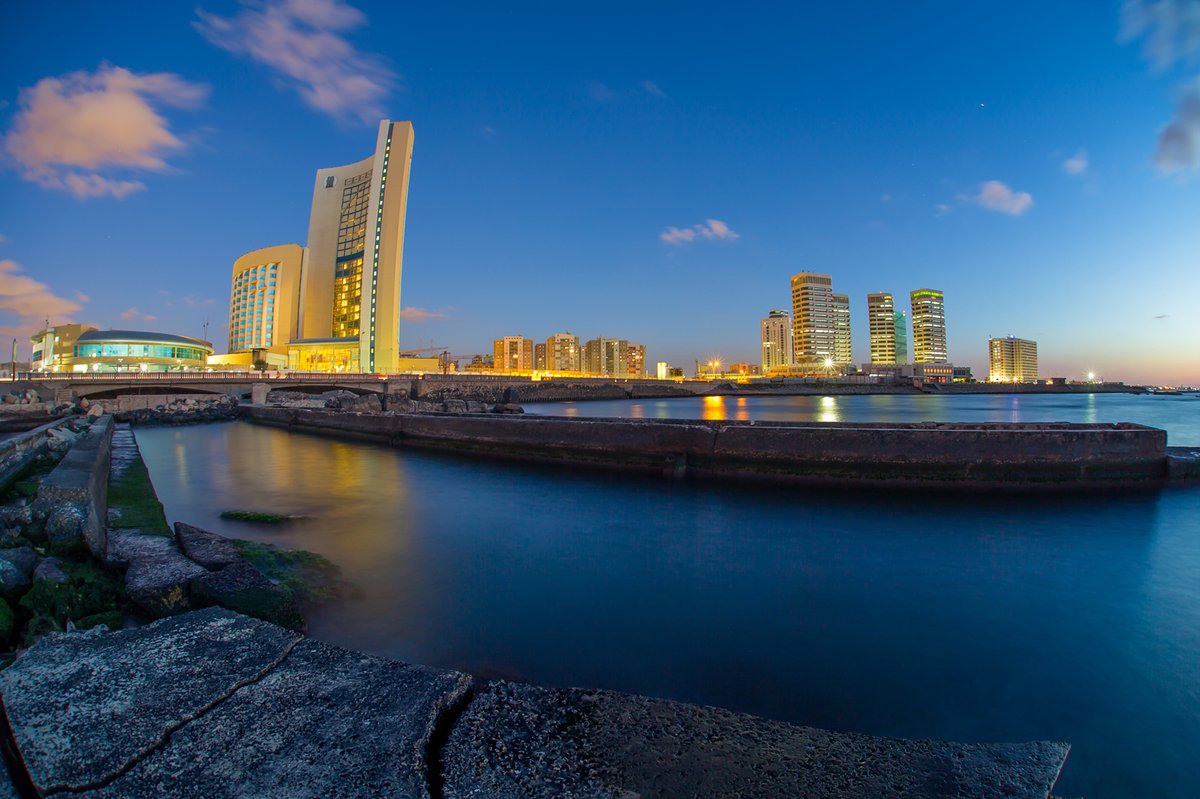
🇱🇾 Tripoli — Family Travel Guide
Country: Libya (State of Libya) Last Updated: March 2026
⚠️ CRITICAL SAFETY NOTICE — READ FIRST
Tripoli is NOT a conventional family destination. Most Western governments (USA, UK, Australia, NZ, Ireland, Canada) maintain Level 4 “Do Not Travel” advisories for Libya. Armed militias operate throughout the country, unexploded landmines are a genuine hazard outside urban areas, emergency medical services are limited or absent outside Tripoli, and the political situation can shift rapidly.
That said: A small but growing number of international travelers, including families with older children and significant Libya ties, do visit western Libya successfully with proper preparation. This guide is written for those individuals — particularly families already living in or connected to the MENA region who understand the risks.
Who this guide is for:
- Expat families based in the region (Tunisia, Malta, Egypt) considering a controlled visit
- Families with Libyan heritage or business connections
- Adventurous families traveling with an experienced licensed guide/sponsor (legally required)
- NOT recommended for: solo families without local contacts, families with young children (under 8), first-time visitors to the broader region
Before you go:
- Register with your country’s embassy (nearest is usually Tunis)
- Use a licensed local sponsor/tour operator — independent travel is legally restricted and practically unsafe
- Obtain comprehensive travel insurance covering Libya (IATI Insurance is one of very few that does)
- Pre-arrange all logistics through your sponsor; do not improvise
- Check your government’s travel advisory the week before departure
Overview
Tripoli is one of the Mediterranean’s most surprising cities — an ancient coastal capital where Roman-era arches stand within a living Ottoman medina, where cappuccino culture (a genuine Italian colonial legacy) coexists with traditional Libyan hospitality, and where World War II history is written into the streets. The city is largely intact architecturally (unlike many post-conflict cities), the local population is warm and curious about international visitors, and the surrounding region contains what many archaeologists consider the finest Roman ruins in the world.
For families prepared for the unique challenges, Tripoli offers something genuinely unrepeatable: world-class Roman sites with no crowds, no tour buses, and no glass cases between you and history. Children walk across 2,000-year-old mosaic floors, stand inside Roman theaters still holding their original stone — experiences impossible anywhere else on Earth at this scale.
What makes Tripoli uniquely worth the challenge:
- Leptis Magna — arguably the world’s best-preserved Roman city outside Italy, with virtually no crowds
- Sabratha’s Roman theater — sea-facing seats built 2,000 years ago
- The Red Castle museum (reopened 2025 after 14-year closure) — extraordinary Saharan rock art and Roman mosaics
- A living, breathing Ottoman medina still used by locals, not staged for tourists
- Italian colonial architecture alongside Islamic Ottoman palaces
- Libyan hospitality is genuinely exceptional — families with children are welcomed warmly
⏰ Best Time to Visit with Kids
| Season | Conditions | Verdict |
|---|---|---|
| Oct–Nov | 20–28°C, clear skies, low humidity | ⭐ Best for families |
| Mar–May | 18–26°C, some spring showers | ⭐ Excellent |
| Dec–Feb | 12–18°C, cool evenings | ✅ Good for ruins, pack layers |
| Jun–Sep | 35–45°C, humid coast | 🔴 Extremely hot — avoid |
Pro tip: October and November are the sweet spot — ruins are not punishingly hot, visibility is excellent, and the medina is lively without summer heat. March and April are equally pleasant and coincide with fewer sandstorm risks than late spring.
✈️ Getting There
Airport: Mitiga International Airport (MJI) — the operational airport since Tripoli International (TIP) was damaged in 2014. Mitiga is a former military base converted for civilian use. International connections are limited: Turkish Airlines (via Istanbul), Tunisair (via Tunis), Egypt Air (via Cairo), and a handful of regional carriers. Charter flights from Malta, Tunisia, and Turkey also operate seasonally.
Tripoli International Airport (TIP) — located 35km south of the city — is currently under renovation and expected to reopen (various estimates have ranged from 2024 to 2026). Confirm with your tour operator before booking.
Entry: Since April 2024, Libya issues e-visas online (evisa.gov.ly) for most nationalities. Cost: ~$63 USD. Processing: approximately 5 working days. Your licensed sponsor will typically handle or facilitate this. Important: Visa regulations in Libya change without notice — confirm the current process with your sponsor/tour operator 30 days before travel.
🚗 Getting Around
Private vehicle with guide (strongly recommended) All reputable tour operators provide a private vehicle and local driver/guide as part of their arrangements. This is both the safest and most practical way to navigate Tripoli and surrounding areas. Do not rely on public transport or hail vehicles independently.
Taxis Available in Tripoli and broadly safe within the city. Negotiate the fare before departure (metered taxis are rare). Your guide/sponsor should help arrange or vet trusted drivers.
Inter-city travel For day trips to Leptis Magna and Sabratha, private vehicles via your tour operator are the only practical option. Do not drive yourself — road conditions, checkpoints, and navigation require local knowledge.
🏛️ Historic Sites & Cultural Attractions
1. As-Saraya al-Hamra (Red Castle) & Red Castle Museum ⭐ UNMISSABLE
The Red Castle is Tripoli’s defining landmark — a 16th-century hilltop fortress on the waterfront overlooking Martyrs’ Square, built by the Spaniards and Knights of St John on the site of a Roman castrum. Its labyrinthine interior contains mosques, courtyards, Ottoman-era palaces, and the national museum. The Red Castle Museum (also called the Jamahiriya Museum or National Museum of Libya) reopened in 2025 after a 14-year closure following the 2011 revolution, making this a genuinely historic moment to visit.
The museum’s collection is extraordinary: Saharan rock art reproductions from the Acacus Mountains (some 10,000+ years old), Roman sculptures and mosaics from Leptis Magna, Phoenician artifacts, Islamic calligraphy, traditional dress, and — a quirky highlight — Colonel Gaddafi’s Volkswagen Beetle from the eve of the 1969 revolution.
The castle itself, even without the museum, is an experience. Children can wander through rooftop terraces, vaulted corridors, and interior courtyards that span Roman, Spanish, Ottoman, and Libyan history.
- Rating: 4.5/5 (Google/TripAdvisor composite — limited reviews given restricted access)
- Age suitability: All ages; best appreciated from age 6+
- Cost: Approximately LYD 5–15 per person (verify with guide; fees are inconsistent)
- Time needed: 2–4 hours for castle + museum
- Location: Martyrs’ Square (Midan al-Shuhada), Central Tripoli, waterfront
- Open: Tue–Sun approximately 9am–5pm (confirm locally; hours vary)
- ⚠️ Honest note: The museum reopened in 2025 but not all galleries are fully operational. Signage and labelling is minimal. A knowledgeable guide transforms this visit from confusing to extraordinary.
- Pro tip: Visit in the morning for the best light on the outer walls and harbour views from the rooftop. The view from the castle ramparts over Martyrs’ Square and the Mediterranean is stunning.
2. Tripoli Medina (Old City)
Tripoli’s medina is one of the least-touristified in the Arab world — because so few international visitors come. This is both its challenge (minimal English signage, no tourist infrastructure) and its extraordinary appeal. The medina is genuinely lived-in: families shop in covered souks, artisans work in centuries-old workshops, children play in Ottoman courtyards. Entering through the principal gate on Martyrs’ Square, the main thoroughfare leads past the Ottoman clock tower to a network of specialty souks (al-Attara for spices and perfumes, al-Seagha for goldsmiths, al-Turk for textiles).
Key stops within the medina:
-
Arch of Marcus Aurelius — the only standing Roman structure in Tripoli, built in 163 AD, excavated to original ground level revealing the lost city of Oea beneath the medina’s foundations
-
Gurgi Mosque (1833) — the last Ottoman mosque built in Libya, with exquisite Turkish tilework, Italian marble columns, and Moroccan carved stucco. One of the finest interiors in North Africa
-
Dar Yusuf al-Karamanli — an 18th-century Ottoman mansion around a central courtyard, now a museum of traditional dress, period furniture, and household objects
-
Old French Consulate — restored 17th-century building with central courtyard, near the Roman arch
-
Old British Consulate — 18th-century building originally for the Karamanli family; rooftop terrace offers medina views
-
Rating: 4.2/5 — authentic and rewarding with a guide; confusing alone
-
Age suitability: All ages; best for 5+
-
Cost: Free to walk; Gurgi Mosque ~LYD 2–5; Dar Karamanli ~LYD 5
-
Time needed: 2–4 hours
-
⚠️ Honest note: The medina is far less polished than Marrakech or Tunis. Some areas are run-down. Navigation without a guide is genuinely difficult and not recommended. Some souks have reduced activity compared to pre-2011.
-
Pro tip: Visit during morning hours (9–11am) when the souks are busiest and light filters through the covered alleys. Buy Libyan handicrafts here — leather goods, silver jewelry, and handwoven textiles are genuinely good quality.
3. Martyrs’ Square (Green Square) & Waterfront
The heart of Tripoli, recently renamed from Green Square (Gaddafi era) back to Martyrs’ Square (Midan al-Shuhada). The broad waterfront plaza is flanked by the Red Castle on one side and the Italian colonial corniche on the other — a remarkable architectural palimpsest of empires. In the early evenings, Tripoli families come out to promenade along the waterfront; children play, vendors sell snacks, and the atmosphere is genuinely relaxed and welcoming.
- Rating: 4.0/5 — a living centre of Tripoli life
- Age suitability: All ages
- Cost: Free
- Time needed: 1–2 hours evening stroll
- ⚠️ Honest note: Avoid during any periods of political tension; your guide will advise. Military vehicles occasionally pass through.
- Pro tip: The evening promenade (6–9pm) is the best time to experience Tripoli as its residents do. The Italian-era seafront buildings are particularly photogenic at sunset.
🌿 Day Trips from Tripoli
4. Leptis Magna — The Greatest Roman Ruins You’ve Never Seen ⭐ UNMISSABLE
Distance from Tripoli: ~130km east along the coast; approximately 1.5 hours by car. Within the 3-hour drive limit for day trips.
Leptis Magna is what happens when a Roman Emperor rebuilds his hometown. Born here in 145 AD, Emperor Septimius Severus spent lavishly transforming Leptis from a prosperous trading port into one of the greatest cities in the Roman Empire — rivalling Alexandria in its ambition. Then the empire declined, the Sahara encroached, and Leptis disappeared under sand for 1,300 years, perfectly preserved.
Today it is a UNESCO World Heritage Site and among the most extensive, best-preserved Roman cities on Earth — larger than Pompeii, more complete than Rome itself in many respects, and with almost no crowds.
What to see with children:
- The Amphitheatre — carved directly into coastal rock in 56 AD, seating 16,000 spectators. Children can stand in the arena floor where lions once emerged from underground cages. The wind still moves through it
- The Severan Forum — a marble-clad imperial showpiece with columns, arches, and mosaic floors in green and gold stone
- The Severan Basilica — a vast lawcourt/assembly hall with extraordinary carved pilasters depicting Dionysus and Hercules
- The Arch of Septimius Severus — a triumphal arch celebrating the emperor’s military victories, with detailed relief carvings
- The Harbour — Severus expanded this port to ship African grain to Rome; you can walk along the ancient quay
- The Old Forum — the original Punic/early Roman civic centre, with the ruins of temples to Rome and Augustus
The sheer scale overwhelms in the best possible way. Children with any interest in history, engineering, or ancient worlds will be stunned. The site is open and unfenced in sections — you can touch the stones, sit in the amphitheatre, walk where Roman senators walked.
- Rating: 4.8/5 — consistently described as one of the world’s great archaeological experiences
- Age suitability: Best for ages 8+; younger children can enjoy but the distances are significant (wear comfortable shoes, bring water)
- Cost: Entrance approximately LYD 10–20 per person (highly variable; your guide will handle logistics). No charge for children under 6 typically
- Time needed: 4–6 hours minimum; a full day for thorough exploration
- Location: Al Khums, ~130km east of Tripoli
- ⚠️ Honest note: Minimal site infrastructure — no café, no shade structures, no audio guides. The onsite museum has been closed since 2011 and artifacts were moved for safekeeping. Bring water, sunscreen, hats, and comfortable walking shoes. Some areas show erosion and damage. The site requires a licensed guide to access officially
- Pro tip: Hire an archaeologist-guide who specialises in Leptis (your tour operator can arrange) rather than a general driver-guide. The difference in understanding is enormous. Early morning visits (before 10am) offer the best photography light and avoid the worst heat in warmer months
5. Sabratha — Roman Theater by the Sea ⭐ HIGHLY RECOMMENDED
Distance from Tripoli: ~70km west; approximately 1 hour by car.
Sabratha is Leptis Magna’s less-famous sibling and, for many travelers, the more emotionally affecting site. Founded as a Phoenician trading post in the 5th century BC, Sabratha’s defining feature is its Roman Theatre — a 2nd-century marvel with tiered stone seating for 5,000 spectators facing a reconstructed three-storey stage wall, all with the Mediterranean as backdrop. Sit in the stands and you can hear the sea breaking on the rocks below.
What to see:
- The Roman Theatre — the crown jewel, with partially reconstructed stage and intact seating tiers; the setting with sea views makes this one of the most cinematic ancient sites anywhere
- The Basilica of Justinian — a beautifully mosaic-floored Byzantine basilica
- The Temple of Liber Pater — dedicated to the god of wine and freedom, among the best preserved temples at the site
- Mosaics — scattered throughout the site in surprisingly good condition
- Punic mausoleum — a rare pre-Roman monument showing Sabratha’s Phoenician origins
Unlike Leptis Magna, Sabratha is compact enough that children don’t get overwhelmed. The sea is visible from most of the site, providing orientation and a sense of place. On a clear day, the scene — white stone ruins, turquoise Mediterranean, theatrical backdrop — is simply stunning.
- Rating: 4.6/5 on TripAdvisor
- Age suitability: All ages; excellent for 6+; the theater alone captivates even young children
- Cost: Approximately LYD 5–10 per person; children often free
- Time needed: 2–4 hours
- Location: Sabratah, ~70km west of Tripoli
- ⚠️ Honest note: Much of the theater’s current appearance is Italian restoration work from the 1920s-30s, not all of it archaeologically precise. Purists debate what’s “original.” Some damage from militia activity in 2014-2015 is visible but the main theater is intact. No formal visitor facilities — bring food and water
- Pro tip: Combine Sabratha in the morning with an afternoon in Tripoli’s medina for an excellent single-day itinerary. The site is smaller and more manageable than Leptis — ideal for a first introduction to Libyan Roman sites
6. Jebel Nafusa (Nafusa Mountains) — Berber Villages & Hilltop Castles
Distance from Tripoli: ~100–150km south; approximately 1.5–2 hours by car.
The Jebel Nafusa is a dramatic limestone escarpment rising from the coastal plain to a plateau of ancient Berber (Amazigh) villages. The region retains a strong Amazigh cultural identity — distinct from Arab Libya in language, architecture, and tradition. The hilltop villages of Kabaw, Nalut, and Gharyan contain remarkable fortified granaries (qsour/ghurfas), cliff-edge settlements, and medieval citadels still inhabited by local communities.
Key stops:
- Nalut Castle (Qasr Nalut) — a 12th-century Amazigh fortified granary carved into the clifftop, with individual storage cells stacked like apartments around a central courtyard; one of North Africa’s most extraordinary vernacular structures
- Kabaw — a smaller, less-visited qasr in excellent condition; often completely empty of other visitors
- Gharyan — famous for its traditional underground troglodyte homes (pit houses dug 6–8m into the earth), a few of which can still be visited; also a pottery-making centre
For children, the qasr granaries are genuinely exciting — multilevel structures with narrow passageways, locked cell doors, and sweeping desert views. The underground houses in Gharyan are unlike anything most children (or adults) have ever seen.
- Rating: 4.4/5 for the region as a whole
- Age suitability: Best for 6+; the cliff-edge settings require supervision
- Cost: Variable; entrance to qsour typically LYD 5–10; Gharyan underground houses ~LYD 10
- Time needed: Full day for a proper Jebel Nafusa loop
- ⚠️ Honest note: Road conditions in the mountains can be poor. The region saw significant fighting in 2011 and some villages show damage. Security checkpoints are common — your guide/sponsor handles these. Some sites lack formal visitor infrastructure
- Pro tip: Hire a local Amazigh guide in addition to your Tripoli sponsor — their personal knowledge of family histories embedded in these structures transforms the visit
🍽️ Food & Drink
Libyan cuisine is honest, unfussy, and deeply satisfying — heavily influenced by Berber, Ottoman, and Italian traditions.
Dishes to try with children:
- Bazin — Libya’s national dish: a dense bread-dough patty made from barley flour, served with lamb stew and eggs; hearty and visually dramatic, eaten communally by hand
- Rishda — handmade pasta with onions and chickpeas in a rich broth; a Libyan staple that appeals to pasta-loving children
- Couscous with lamb — standard across North Africa but Libyan couscous has a distinct spice profile (caraway, cumin)
- Shakshuka — eggs poached in tomato and pepper sauce; a universally appealing breakfast
- Ftair — Libyan flatbread stuffed with cheese, eggs, or honey; excellent street breakfast
- Espresso/cappuccino — a genuine Italian colonial legacy; Tripoli has a real espresso culture and the coffee is excellent
Where to eat:
- Medina restaurants — the best traditional Libyan food is found inside the medina; Ash-Sharq restaurant in Souk al-Attara serves excellent traditional dishes (rishda, couscous, osban)
- Seafood on the corniche — fresh Mediterranean fish and seafood couscous; the expat fish restaurant in the medina souk is particularly recommended
- Martyrs’ Square cafés — for coffee, people-watching, and light snacks; Al Saraya is well-positioned if not the best food
- Nay Café — modern Lebanese-Libyan fusion with stylish interiors; more contemporary option for families used to international dining
Note: Libya is a Muslim country — alcohol is prohibited. No beer or wine is available anywhere. Soft drinks, fresh juices, and excellent mint tea are the social lubricants.
🛏️ Where to Stay
Tripoli’s hotel options are limited compared to other capital cities — international chains pulled out after 2011. Options include:
- Corinthia Hotel Tripoli — the city’s most prominent international-standard hotel; reliable, security-conscious, family-friendly rooms, pool, and restaurants. Recommended for families. Rates: approximately $150–250/night
- Radisson Blu Tripoli — another international-standard option; solid facilities, good location
- Bab Al-Bahr Hotel — smaller boutique option near the waterfront
- Local guesthouses (arranged via sponsor) — more immersive, highly variable quality
Note: Book through your tour operator/sponsor, who will have established relationships and can vet current conditions. Do not book independently via online platforms — availability and safety standards should be verified locally.
💰 Budget Guide (Per Day, Family of 4)
Given the unique access model (licensed tour), costs differ significantly from conventional tourism:
| Category | Budget | Notes |
|---|---|---|
| Tour operator/guide | $200–400/day | Non-negotiable for legal/safe access; covers driver, guide, logistics |
| Accommodation | $150–300/night | International hotel |
| Meals | $40–80/day | Medina restaurants are inexpensive; hotel dining is costlier |
| Site entrances | $20–40/day | Highly variable; your guide typically handles |
| Total | ~$400–820/day | Tours typically sold as packages |
Package tours (5–7 days including Tripoli, Leptis Magna, Sabratha, and sometimes Jebel Nafusa or Ghadames) typically range from $1,500–3,500 per person through reputable operators like Young Pioneer Tours, Against the Compass, Untamed Borders, or Secret Libya/Libya Travel.
📋 Practical Information
Currency: Libyan Dinar (LYD). Cash only — international cards do not work. Bring USD or EUR to exchange (your operator will advise on amounts and exchange). ATMs for international cards are non-functional.
Language: Arabic (Libyan dialect). Limited English outside hotels and tour contexts. Italian-influenced expressions survive in some coastal vocabulary. Your guide handles communication.
Religion: Sunni Muslim. Dress modestly (covered shoulders and knees for all adults; women should carry a headscarf). Ramadan significantly affects opening hours and restaurant availability — verify if your visit overlaps.
Photography: Ask permission before photographing people. Do NOT photograph military installations, checkpoints, or anything that could be construed as security-sensitive. Your guide will advise what is safe to photograph.
Medical: Tripoli has functioning hospitals but standards are not comparable to Western facilities. Emergency response outside Tripoli is extremely limited. Comprehensive travel insurance with medical evacuation cover is essential. Bring a full first-aid kit, any prescription medications, and basic over-the-counter supplies.
SIM Cards: Libyana and Al Madar are the two operators. Local SIM cards work; your sponsor can assist. International roaming is available but expensive and unreliable.
Power: 127V or 220V, Type L/C plugs (Italian standard). Bring a universal adapter.
🎒 Packing Tips for Families
- Modest dress for all — covered shoulders and knees; girls 10+ should have a headscarf available
- Sturdy walking shoes — Roman sites involve extensive walking on uneven ancient stone
- Sun protection — hat, high-SPF sunscreen, UV-protection clothing; shade is rare at archaeological sites
- Water bottles — bring large refillable bottles; bottled water is available but carrying your own is essential at sites
- Cash in USD/EUR — more than you think you’ll need; no card access
- First aid kit — plasters, antiseptic, anti-diarrheal medication, ORS sachets, antihistamines
- Headtorch/flashlight — useful in medina alleys and some ruins
- Camera — bring a good one; these sites deserve proper photography
- Phrasebook/Google Translate offline pack — Arabic (Egyptian variety is widely understood as a bridge)
⭐ Suggested 5-Day Family Itinerary
Day 1 — Tripoli Arrival & Orientation Arrive at Mitiga Airport, meet sponsor/guide. Check into hotel. Afternoon stroll along the waterfront corniche and Martyrs’ Square. Evening dinner in medina.
Day 2 — Tripoli Deep Dive Morning: Red Castle and museum (3 hours). Lunch in medina. Afternoon: Medina walk — Arch of Marcus Aurelius, Gurgi Mosque, Dar Karamanli, souks. Evening: corniche promenade.
Day 3 — Sabratha Full morning at Sabratha Roman ruins (~3.5 hours). Picnic lunch at the site. Afternoon return to Tripoli; free time/rest. Evening: seafood dinner on the waterfront.
Day 4 — Leptis Magna Early departure to Leptis Magna (~1.5h drive). Full day at the site (5–6 hours). This is the centrepiece of any Libya visit — allow maximum time. Return to Tripoli for dinner.
Day 5 — Jebel Nafusa & Departure Morning drive to Nalut Castle or Kabaw (~2h). Explore the Amazigh granary fortress (2h). Return to Tripoli for afternoon departure via Mitiga Airport.
🔗 Useful Contacts & Resources
- e-Visa: evisa.gov.ly
- Against the Compass Tours: againstthecompass.com (excellent blog + tours)
- Young Pioneer Tours: youngpioneertours.com/libya-tours
- Secret Libya / Libya Travel: libya-travel.com
- Untamed Borders: untamedborders.com/itinerary/libya
- IATI Travel Insurance (covers Libya): iatitravelinsurance.com
Emergency contacts:
- US Embassy (nearest): Tunis, Tunisia — +216 71 107 000
- UK Embassy (nearest): Tunis, Tunisia — +216 71 108 700
- Local emergency (Tripoli): 1515 (police); 1516 (ambulance) — response unreliable
This guide reflects conditions as of early 2026. Libya’s situation changes rapidly — always verify current conditions with your tour operator and government travel advisory immediately before travel.